Cyclosporiasis Outbreak Spreads: Symptoms, States & Safety (2026)
A rapidly expanding cyclosporiasis outbreak has raised nationwide health alarms as public health authorities confirm that the parasitic infection has now been linked to four additional states, including Pennsylvania. The outbreak, tracked by epidemiologists at federal and state levels, centers on intestinal illness caused by the microscopic parasite Cyclospora cayetanensis. Contaminated fresh produce items such as imported berries, leafy greens, basil, and cilantro are primary vectors under investigation.
Understanding how this parasite spreads, identifying early digestive warning signs, and knowing when to seek targeted clinical care are vital steps in protecting your household. For ongoing updates on infectious disease alerts and preventive medical advice, explore our health conditions directory and our guides on food safety and nutrition.
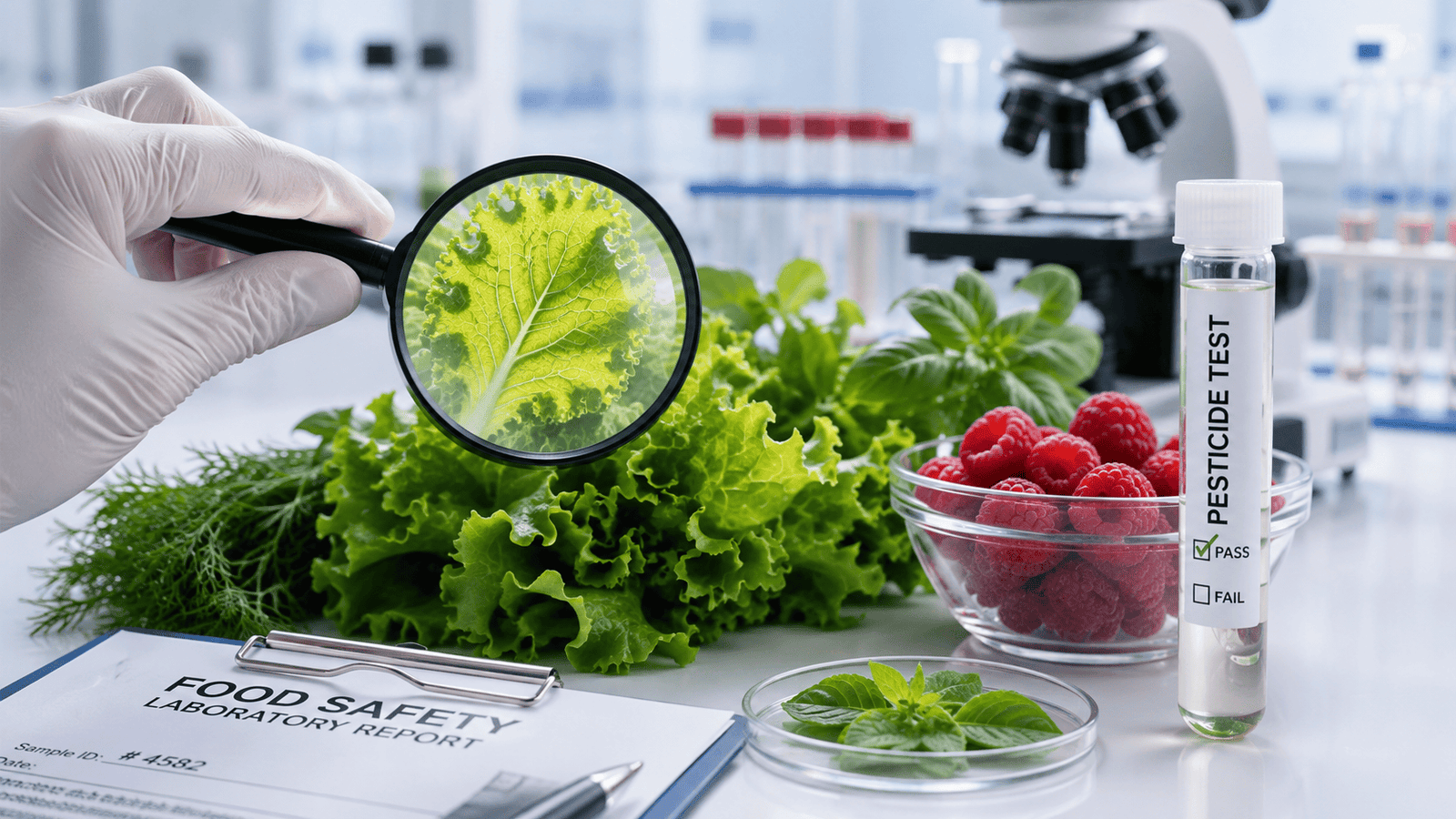
1. What Is Cyclosporiasis and How Does It Spread?
Cyclosporiasis is a gastrointestinal infection caused by Cyclospora cayetanensis, a single-celled protozoan parasite. Unlike many bacterial pathogens like Salmonella or E. coli, Cyclospora is not transmitted directly from person to person. When an infected individual passes unsporulated (non-infectious) oocysts in their stool, the parasite requires days to weeks outside the host in favorable warm environmental conditions to mature into an infectious state (sporulation).
Consequently, the cyclosporiasis outbreak is driven primarily by the ingestion of food or water contaminated with mature oocysts. According to investigative briefs from the Centers for Disease Control and Prevention (CDC), commercial fresh agricultural commodities that are consumed raw pose the highest risk because routine washing cannot always dislodge or destroy the tough outer shell of the oocyst.
2. The Expanding Outbreak: Pennsylvania and Multi-State Impact
Public health reports indicate that the current epidemiological cluster has broadened significantly. With Pennsylvania and three other states newly added to the official surveillance roster, health departments are working alongside the U.S. Food and Drug Administration (FDA) to trace supply chains back to regional distributors and farms.
State health officials in Pennsylvania have issued advisories to medical providers, urging them to order specific stool tests for patients presenting with persistent, remitting-relapsing watery diarrhea. Because Cyclospora symptoms often mimic common viral gastroenteritis or stomach flu, underdiagnosing remains a key challenge during early outbreak stages.
3. Recognizing Symptoms of Cyclosporiasis
The incubation period between ingesting contaminated food and demonstrating clinical symptoms averages about 1 week (ranging from 2 to 14 days). The illness can be surprisingly prolonged if left untreated, lasting from several days to a month or longer, often characterized by cycles of apparent recovery followed by sudden relapse.
Primary Clinical Signs
- Profuse Watery Diarrhea: The most hallmark symptom, often accompanied by explosive bowel movements.
- Severe Abdominal Cramping & Bloating: Intense intestinal gas, distension, and painful cramping.
- Anorexia and Rapid Weight Loss: Marked loss of appetite leading to unintended weight reduction.
- Profound Fatigue & Muscle Aches: Generalized physical exhaustion that persists for weeks.
- Low-Grade Fever & Nausea: Mild fever accompanied by periodic nausea and occasional vomiting.
4. Cyclospora vs. Other Common Foodborne Pathogens
Differentiating a cyclosporiasis outbreak case from other bacterial or viral food poisoning causes is essential for choosing the correct medical treatment:
| Pathogen Type | Incubation Period | Duration of Illness | Standard Medical Treatment |
|---|---|---|---|
| Cyclospora (Parasite) | 2 to 14 days (Average ~7 days) | Weeks to months (Relapsing) | Specific Antibiotics (Trimethoprim-sulfamethoxazole) |
| Salmonella (Bacteria) | 6 hours to 6 days | 4 to 7 days | Supportive hydration (Antibiotics only in severe cases) |
| Norovirus (Virus) | 12 to 48 hours | 1 to 3 days | Supportive fluids & rest (Antibiotics ineffective) |
| E. coli STEC (Bacteria) | 3 to 4 days | 5 to 7 days | Fluid replacement (Antibiotics generally avoided) |
5. Diagnosis, Clinical Treatment, and Recovery
Standard routine stool cultures requested during routine hospital visits often miss Cyclospora oocysts. Diagnosis requires specialized laboratory testing, such as microscopic examination of stool using acid-fast staining or multiplex Polymerase Chain Reaction (PCR) gastrointestinal diagnostic panels.
Targeted Antibiotic Therapy
While many viral and bacterial diarrheal illnesses resolve spontaneously, cyclosporiasis typically requires medical intervention. The standard regimen recommended by infectious disease specialists is a 7- to 10-day course of Trimethoprim-sulfamethoxazole (TMP-SMX), commercially known as Bactrim or Septra. For patients with sulfa allergies, alternative therapeutic options (such as ciprofloxacin or nitazoxanide) may be evaluated by a healthcare provider, though their efficacy varies.
6. Practical Food Safety Measures to Reduce Exposure
Protecting yourself during an active cyclosporiasis outbreak requires vigilance in kitchen hygiene and produce selection. For more tips on maintaining long-term wellness, explore our lifestyle and health strategies.
| Action Category | Recommended Safety Protocol | Common Misconception to Avoid |
|---|---|---|
| Produce Washing | Rinse all fresh produce thoroughly under running tap water; scrub firm items with a clean brush. | Assuming plain water removes 100% of microscopic Cyclospora oocysts. |
| Sourcing & Recalls | Check CDC and FDA advisory updates for specific produce recalls or regional distribution warnings. | Believing organic produce is automatically immune to parasitic runoff contamination. |
| Cross-Contamination | Wash cutting boards, knives, and countertops with hot soapy water after prepping fresh vegetables. | Using the same unwashed cutting board for fresh herbs and raw meats. |
| Cooking & Heat | Cooking produce thoroughly destroys the parasite completely. | Relying on chemical sanitizers or vinegar soaks alone to neutralize parasites on raw salads. |
7. When to Seek Immediate Medical Attention
If you reside in or have recently traveled through affected regions including Pennsylvania and experience watery diarrhea lasting longer than three days, contact a healthcare professional immediately. Prompt diagnostic testing ensures you receive the correct antimicrobial therapy, halting prolonged nutrient malabsorption and severe dehydration.
Frequently Asked Questions (FAQ)
Can I catch Cyclospora directly from an infected family member?
No. Cyclospora is not directly contagious from person to person because the parasite shed in fresh stool requires days to weeks outside the human body in ambient conditions to mature into an infective state.
Does washing fresh produce remove Cyclospora parasites?
Washing fresh produce under running water helps dislodge dirt and reduce microbial load, but because Cyclospora oocysts stick firmly to plant surfaces, washing alone may not completely eliminate the risk. Cooking contaminated food thoroughly kills the parasite.
What states are affected by the recent cyclosporiasis outbreak?
The outbreak investigation has recently expanded to include Pennsylvania along with four additional states. Public health officials are actively updating regional advisories as supply chain tracing continues.
Where can I find more health updates on AppleVita?
Check our comprehensive guides in our health conditions section and our nutrition and food safety library.