Louisiana Vibrio Vulnificus Outbreak: 2026 Ultimate Safety Protocol
Public health authorities are issuing urgent warnings regarding the recent louisiana vibrio vulnificus outbreak, driven by unprecedented coastal water warm-ups in the Gulf Coast region. Vibrio vulnificus—frequently referred to as “flesh-eating bacteria” is a halophilic (salt-loving) bacterium capable of causing fulminant necrotizing wound infections and lethal septicemia. Understanding transmission vectors, clinical signs, and underlying metabolic risk factors is paramount for preventing life-threatening complications during coastal exposure.
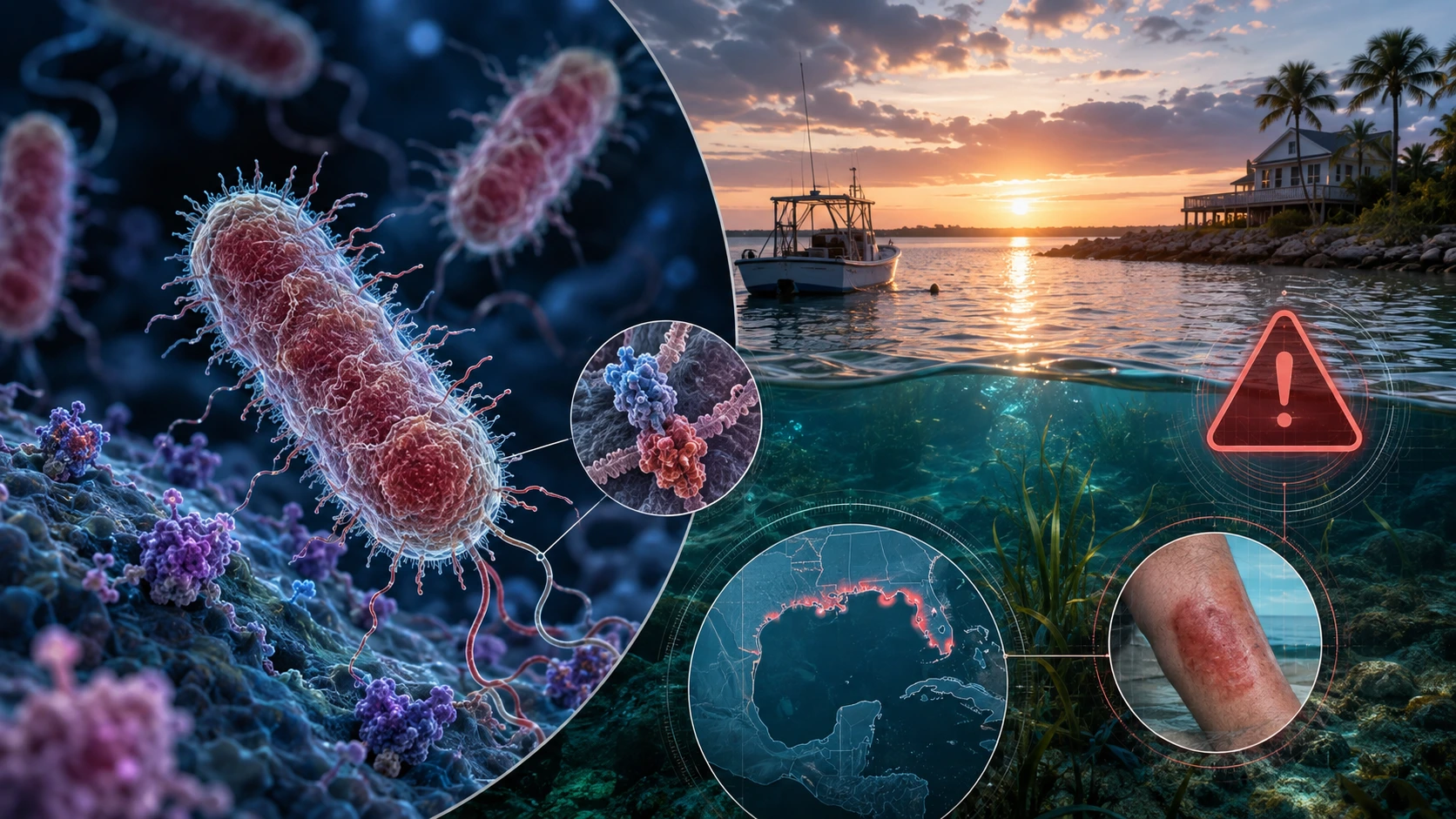
1. Current Status: Understanding the Louisiana Vibrio Vulnificus Outbreak
Surveillance data surrounding the louisiana vibrio vulnificus outbreak indicates a notable uptick in reported cases across coastal parishes and brackish waters connected to the Gulf of Mexico. Rising seawater temperatures exceeding 20°C (68°F) create optimal environmental conditions for Vibrio species to proliferate rapidly in coastal marine ecosystems.
Unlike other foodborne pathogens that merely induce mild gastroenteritis, Vibrio vulnificus is distinguished by its extreme virulence. In susceptible individuals, the bacteria can breach dermal tissue or mucosal barriers, releasing potent capsular polysaccharides and metalloproteinases that destroy cellular tissue at alarming speeds.
Critical Public Health Notice
Infections caused by Vibrio vulnificus require rapid emergency medical response. Wound infections can progress to necrotizing fasciitis within 24 to 48 hours of exposure, making early clinical recognition and IV antibiotic therapy essential for survival.
2. Pathophysiology and Transmission: Ingestion vs. Wound Contamination
Contracting an infection during the louisiana vibrio vulnificus outbreak typically occurs through one of two major exposure pathways:
1. Direct Open Wound Exposure to Saltwater or Brackish Water
When individuals enter marine environments with pre-existing cuts, fresh surgical incisions, insect bites, or recent piercings, microscopic concentrations of Vibrio vulnificus enter subcutaneous tissue. Fishermen, boaters, and beachgoers handling live marine life (such as crabs, shrimp, or oyster shells) are at particularly elevated risk for puncture wounds.
2. Consumption of Raw or Undercooked Shellfish
Oysters filter gallons of coastal water daily, accumulating bacterial populations in their tissues. Consuming raw oysters harvested from warm waters delivers live V. vulnificus directly into the gastrointestinal tract, where it can penetrate the gut mucosal layer and enter the portal circulation.
3. High-Risk Populations: The Metabolic and Hepatic Link
A critical factor noted during the ongoing louisiana vibrio vulnificus outbreak is that severe outcomes are strongly linked to underlying metabolic and hepatic health conditions. Vibrio vulnificus requires free iron to replicate and express its virulent toxins.
Individuals with high vulnerability include those presenting with:
- Chronic Liver Diseases (Cirrhosis, Fatty Liver, Hepatitis): Impaired liver function leads to elevated serum iron concentrations (transferrin saturation) and reduced immune clearance, making infection over 80 times more lethal in this group.
- Immune Compromise & Type 2 Diabetes: Sub-clinical microvascular disease and impaired white blood cell chemotaxis reduce the body’s ability to compartmentalize dermal bacterial exposure.
- Gut Barrier Dysfunction: Individuals with compromised intestinal integrity allow bacterial endotoxins and ingested pathogens to translocate into bloodstream circuits rapidly.
To learn how systemic mucosal health and gut barrier integrity protect against systemic pathogen entry, explore our guide on healing leaky gut and restoring barrier protection.
4. Clinical Symptoms and Early Signs of Necrotizing Infection
Recognizing early symptoms during the louisiana vibrio vulnificus outbreak can drastically alter treatment prognosis. Symptoms typically manifest within 12 to 72 hours following exposure.
| Infection Type | Early Clinical Symptoms | Advanced Complications |
|---|---|---|
| Wound Infection (Dermal) | Rapid swelling, localized redness, severe pain out of proportion to injury | Hemorrhagic bullae (fluid-filled blisters), tissue necrosis, amputation risk |
| Primary Septicemia (Ingestion) | Sudden onset fever, chills, nausea, abdominal pain, diarrhea | Septic shock, widespread intravascular coagulation, cutaneous skin lesions |
5. Quantitative Prevention & Emergency Safety Matrix
Public health experts advise strict adherence to the following emergency protocol during the active louisiana vibrio vulnificus outbreak:
- Avoid Brackish Exposure with Open Wounds: Do not enter coastal waters, ocean beaches, or brackish bays if you have cuts, scratches, surgical incisions, or recent tattoos. Cover existing wounds with waterproof bandages if water proximity is unavoidable.
- Thoroughly Cook Shellfish: Boil oysters until the shells open and continue boiling for at least 3 to 5 additional minutes. Avoid eating raw or undercooked Gulf Coast oysters entirely if you have liver disease or diabetes.
- Use Protective Gear When Handling Marine Life: Wear heavy-duty leather or neoprene gloves when handling crab traps, raw seafood, or live marine bait to prevent puncture wounds.
- Immediate Medical Washing: If a wound is exposed to seawater, wash it aggressively with clean running water and antibacterial soap immediately.
6. Interlinked AppleVita Protocols
Managing systemic inflammation, blood sugar control, and intestinal barrier resilience is fundamental to maintaining natural defense mechanisms against metabolic and infectious challenges. Explore our related research:
Healing Leaky Gut Protocol
Learn how restoring mucosal integrity prevents systemic bacterial translocation and reduces metabolic endotoxemia.
Preventing Glucose Spikes Protocol
Discover food sequencing protocols to maintain glycemic control and protect vascular endothelial function.
Official Health Resources & Citations
For live epidemiological tracking updates regarding the louisiana vibrio vulnificus outbreak, consult official public health agencies:
- Track official coastal water safety advisories on the Centers for Disease Control and Prevention (CDC).
- Review state epidemiological reporting via the Louisiana Department of Health.
7. Frequently Asked Questions (FAQ)
What caused the Louisiana Vibrio vulnificus outbreak?
The louisiana vibrio vulnificus outbreak is primarily driven by rising seawater temperatures in coastal and brackish waters, which creates an optimal breeding environment for halophilic marine bacteria.
Can you get Vibrio vulnificus from swimming in swimming pools?
No. Vibrio vulnificus requires saltwater or brackish (mixed salt and fresh) coastal environments to survive. Properly chlorinated freshwater swimming pools do not harbor this pathogen.
How fast do symptoms appear after exposure to Vibrio vulnificus?
Symptoms generally develop rapidly, often within 12 to 72 hours after consuming raw shellfish or exposing an open wound to infected marine water.