Metabolic Health Gut Microbiome: 2026 Ultimate Clinical Guide
The relationship between the metabolic health gut microbiome axis represents one of the most significant breakthroughs in modern preventive medicine. Far beyond basic digestion, the trillions of microorganisms inhabiting the human gastrointestinal tract act as a virtual endocrine organ. They synthesize key metabolic signaling molecules, regulate insulin sensitivity, modulate chronic inflammation, and dictate systemic energy expenditure. Understanding this axis is essential for reversing metabolic dysfunction, preventing type 2 diabetes, and optimizing long-term metabolic flexibility.
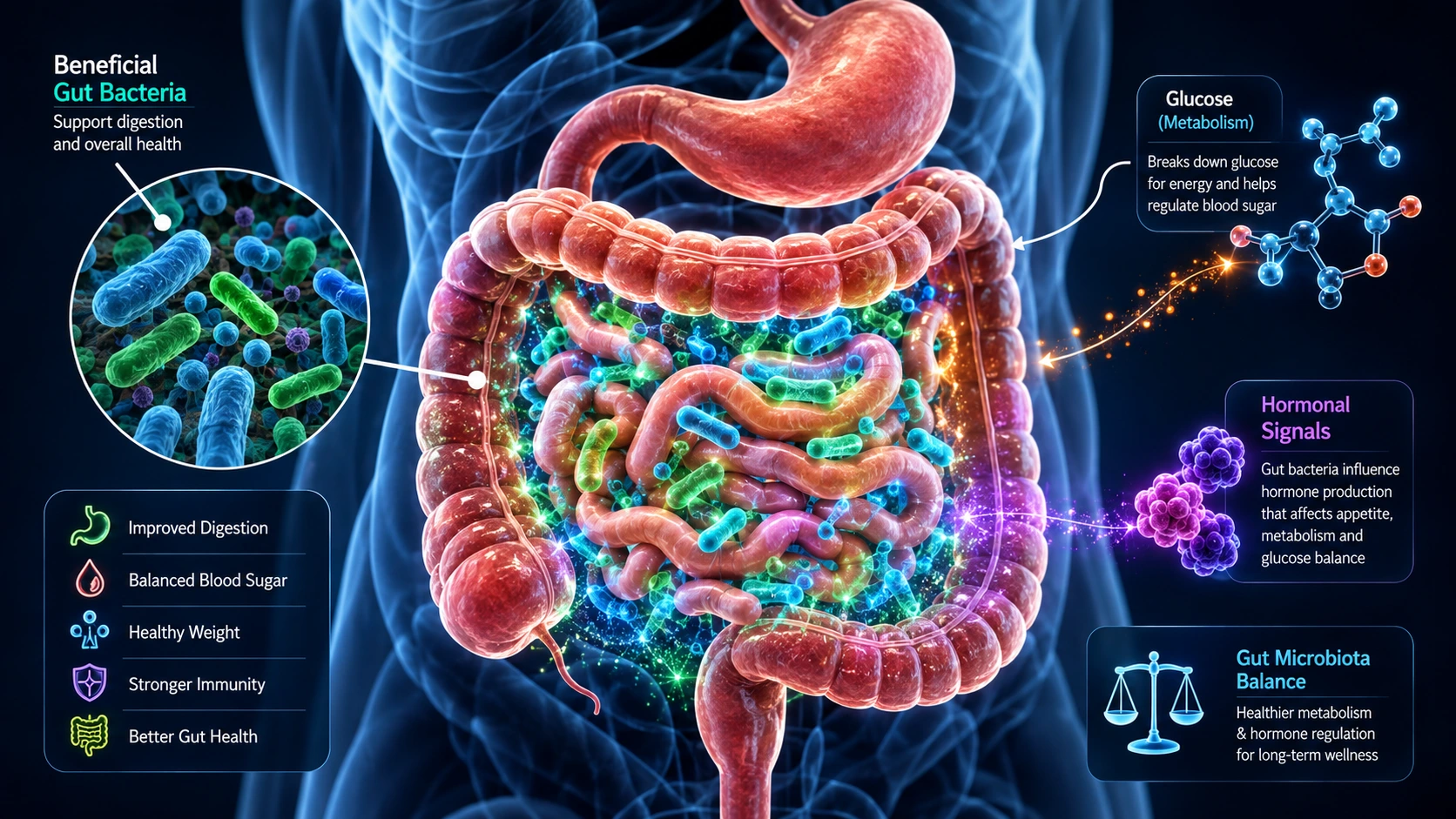
1. The Endocrinology of the Metabolic Health Gut Microbiome Axis
For decades, metabolic disorders such as obesity, metabolic syndrome, and non-alcoholic fatty liver disease (NAFLD) were viewed strictly through the lens of caloric excess and physical inactivity. However, modern multi-omics research demonstrates that the composition and functional capacity of your metabolic health gut microbiome directly dictate how calories are harvested, stored, and expended.
The human gastrointestinal tract harbors over 100 trillion microbial cells encoding millions of unique genes. This complex ecosystem interacts constantly with human host cells through cross-talk mechanism involving nerve fibers, immune receptors, and circulating peptide hormones. When the microbial community is balanced (eubiosis), it secretes signaling molecules that enhance insulin sensitivity, maintain intestinal barrier integrity, and promote metabolic flexibility—the body’s ability to seamlessly switch between burning carbohydrates and fats.
Conversely, a state of microbial imbalance (dysbiosis)—characterized by reduced alpha diversity and the depletion of commensal keystone species like Akkermansia muciniphila, Faecalibacterium prausnitzii, and Bifidobacterium species—triggers metabolic endotoxemia and systemic low-grade inflammation. This disruption alters central appetite regulation in the hypothalamus and impairs peripheral glucose disposal in skeletal muscle and adipose tissue.
2. Intestinal Permeability, Endotoxemia, and Insulin Resistance
A central biological pathway connecting the metabolic health gut microbiome to metabolic disease is the disruption of the gut mucosal barrier, commonly known as “leaky gut” or hyperpermeability. The intestinal lining consists of a single layer of epithelial cells joined by tight junction proteins, including zonulin, occludin, and claudins.
When dysbiosis occurs due to ultra-processed diets, chronic psychological stress, or environmental toxins, pathogenic Gram-negative bacteria proliferate. These bacteria contain lipopolysaccharides (LPS) in their outer membranes. Increased intestinal permeability allows LPS molecules to translocate into the hepatic portal circulation—a clinical phenomenon termed metabolic endotoxemia.
The Inflammatory Cascade Triggered by LPS Translocation
- Translocated LPS binds to Toll-like Receptor 4 (TLR4) on macrophages and adipocytes.
- TLR4 activation initiates the NF-κB inflammatory signaling pathway.
- Pro-inflammatory cytokines (TNF-alpha, IL-6, IL-1beta) are released systematically.
- Inflammatory kinases phosphorylate insulin receptor substrate-1 (IRS-1) on serine residues.
- Normal insulin signaling is blocked, directly inducing peripheral insulin resistance.
This cascade demonstrates that insulin resistance is not merely a pancreatic or hepatic issue; it is fundamentally rooted in immune responses regulated by the intestinal barrier and microbial composition.
3. Key Bacterial Metabolites: Short-Chain Fatty Acids & GLP-1
The metabolic impact of the metabolic health gut microbiome is mediated primarily through the production of bioactive postbiotic metabolites. When commensal bacteria ferment non-digestible dietary fibers and resistant starches, they synthesize Short-Chain Fatty Acids (SCFAs), predominantly Acetate, Propionate, and Butyrate.
Functions of Primary Short-Chain Fatty Acids
- Butyrate: Serves as the primary energy source for colonocytes, upregulates tight junction protein expression, reduces mucosal inflammation, and stimulates intestinal gluconeogenesis.
- Propionate: Travels to the liver via the portal vein, where it acts as a substrate for gluconeogenesis and inhibits hepatic cholesterol synthesis while suppressing appetite center activation in the brain.
- Acetate: Enters systemic circulation and crosses the blood-brain barrier to promote central satiety, while also stimulating thermogenesis in brown adipose tissue via Free Fatty Acid Receptor 2 (FFAR2).
Furthermore, SCFAs bind to G-protein coupled receptors (GPCRs), specifically GPR41 and GPR43, expressed on enteroendocrine L-cells in the distal ileum and colon. This binding stimulates the secretion of endogenous Glucagon-Like Peptide-1 (GLP-1) and Peptide YY (PYY). Endogenous GLP-1 slows gastric emptying, promotes satiety, suppresses glucagon, and enhances glucose-dependent insulin secretion from pancreatic beta cells.
4. Diagnostic Biomarkers for Microbiome-Driven Metabolic Health
Evaluating the clinical status of the metabolic health gut microbiome axis requires combining functional stool testing with advanced metabolic blood markers. The following table outlines primary diagnostic biomarkers used in clinical functional medicine:
| Diagnostic Biomarker | Sample Type | Optimal Clinical Target | Metabolic Implication |
|---|---|---|---|
| Zonulin Level | Stool / Serum | < 107 ng/mL (Stool) | Elevated levels indicate tight junction breakdown and intestinal permeability. |
| Akkermansia muciniphila Relative Abundance | Stool Metagenomics | 1.0% – 4.0% total flora | Depletion directly correlates with obesity, insulin resistance, and mucosal degradation. |
| High-Sensitivity C-Reactive Protein (hs-CRP) | Serum Blood | < 1.0 mg/L | Reflects systemic inflammatory burden driven by metabolic endotoxemia. |
| Total Fecal Short-Chain Fatty Acids | Stool Chemistry | > 14.0 mg/g stool | Measures functional metabolic output and fiber-fermenting capacity of the microbiome. |
5. Deep-Dive Sub-Topic Clusters & Specific Clinical Protocols
To master the metabolic health gut microbiome architecture, explore our detailed sub-topic clinical guides designed to address specific metabolic challenges:
Berberine & Magnesium Synergy
Learn how combining berberine with magnesium modulates gut microbiota composition, activates AMPK, and improves glycemic control.
Cortisol Belly vs. Bloating Guide
Discover the visual and physiological differences between stress-induced visceral fat accumulation and gut fermentation bloating.
Preventing Postprandial Glucose Spikes
Clinical strategies and food-sequencing techniques designed to flatten blood sugar curves using prebiotic fiber buffering.
Autophagy & Fasting Protocols
How intermittent fasting stimulates mucosal repair, activates cellular autophagy, and optimizes metabolic flexibility.
6. Evidence-Based Interventions to Optimize the Gut-Metabolic Axis
Restoring a dysfunctional metabolic health gut microbiome requires a structured, multi-modal intervention strategy incorporating targeted clinical nutrition, polyphenol supplementation, and lifestyle modifications.
1. Precision Dietary Fiber Diversity
Targeting microbial diversity requires consuming a wide array of fermentable fibers. Aim for a minimum of 30 to 40 grams of diverse plant fiber weekly, focusing on:
- Inulin and Oligofructose: Found in chicory root, Jerusalem artichokes, garlic, and onions. Directly fuels Bifidobacteria growth.
- Resistant Starch (Type 2 and Type 3): Found in green bananas, cooked and cooled potatoes, and legumes. Acts as a premier substrate for butyrate production.
- Beta-Glucans: Found in oats and barley, shown to lower circulating LDL cholesterol and improve postprandial insulin sensitivity.
2. Polyphenol Enrichment
Polyphenols act as prebiotic-like compounds that selectively stimulate beneficial bacterial strains while inhibiting pathogenic microbes. Key polyphenols include epigallocatechin gallate (EGCG) from green tea, anthocyanins from wild blueberries, and ellagitannins from pomegranates, which are metabolized by gut microbes into anti-inflammatory Urolithin A.
3. Targeted Probiotics and Next-Generation Microbes
While traditional probiotic strains (like Lactobacillus acidophilus and Bifidobacterium lactis) support immune regulation, next-generation metabolic probiotics—such as pasteurized Akkermansia muciniphila—have demonstrated direct clinical efficacy in improving insulin resistance, reducing total plasma cholesterol, and strengthening gut barrier integrity in human clinical trials.
For additional dietary strategies and evidence-based meal plans, explore our dedicated nutrition and dietary therapy resource center.
7. Authoritative Academic References & External Resources
The findings presented in this clinical guide regarding the metabolic health gut microbiome axis are grounded in peer-reviewed biomedical research. You can consult the primary literature and official health guidelines via the following authoritative links:
- Access peer-reviewed research on gut dysbiosis and insulin resistance via the National Center for Biotechnology Information (NCBI / PubMed).
- Read landmark clinical studies on microbiome-derived metabolites published in Nature Medicine.
- Explore public guidelines on metabolic syndrome and prevention strategies from Harvard Health Publishing.
For broader wellness frameworks and lifestyle protocols, visit our lifestyle and longevity directory.
8. Frequently Asked Questions (FAQ)
How long does it take to improve your metabolic health through gut microbiome changes?
Dietary alterations can shift microbial gene expression within 24 to 48 hours. However, structural remodeling of the microbial population and clinical improvements in metabolic markers (such as fasting blood glucose and HbA1c) typically require 8 to 12 weeks of sustained dietary and lifestyle intervention.
Can taking probiotics alone fix a broken metabolic health gut microbiome axis?
No. Probiotics act as transient modulators rather than permanent colonizers. Without providing adequate prebiotic fiber, polyphenols, and a diverse diet, probiotic bacteria cannot thrive or produce sufficient short-chain fatty acids to repair metabolic dysfunction.
What foods damage the metabolic health gut microbiome the most?
Diets high in ultra-processed foods, refined sugars, artificial sweeteners (such as sucralose and saccharin), emulsifiers (like carboxymethylcellulose and polysorbate-80), and industrial seed oils promote intestinal inflammation, erode the protective mucus layer, and favor the growth of inflammatory Gram-negative bacteria.