Preventing Postprandial Glucose Spikes Naturally: 2026 Ultimate Protocol
When it comes to preventing postprandial glucose spikes naturally, modern clinical strategies have shifted from basic calorie counting to the precise biophysical modulation of intestinal absorption kinetics. Postprandial hyperglycemia defined as transient blood sugar excursions exceeding 140 mg/dL (7.8 mmol/L) within two hours post-ingestion triggers vascular endothelial oxidative stress, systemic inflammation, and mitochondrial dysfunction. By manipulating nutrient sequencing, enzymatic carbohydrate breakdown, and daily movement, individuals can flatten their glycemic curve without relying on pharmacological intervention.
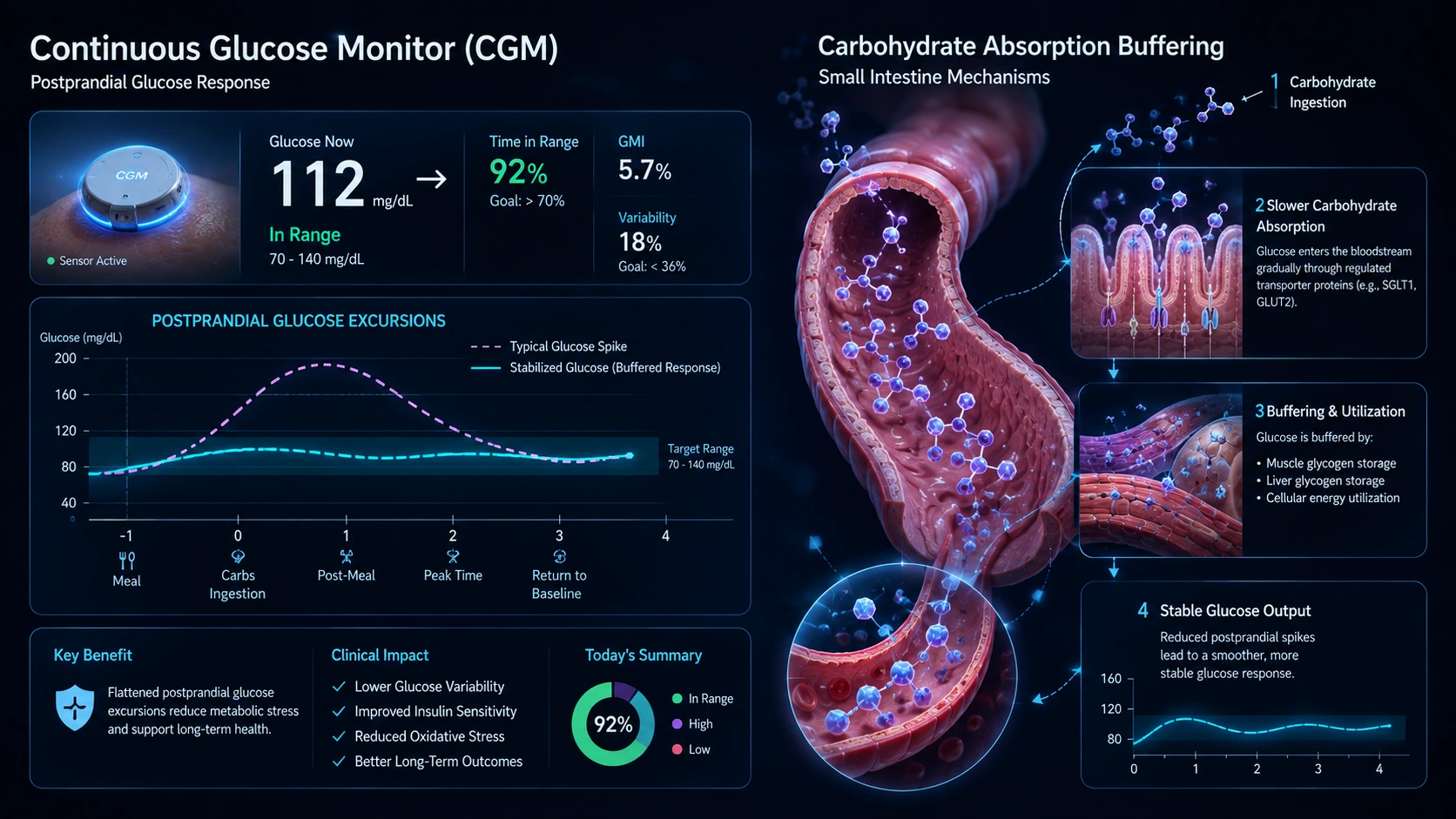
1. The Pathophysiology of Glycemic Variability (GV)
Modern Continuous Glucose Monitoring (CGM) technology demonstrates that assessing mean glucose via HbA1c alone is insufficient to evaluate metabolic risk. Glycemic Variability (GV) which measures the frequency, magnitude, and duration of blood sugar fluctuations—is now recognized as an independent risk factor for cardiovascular disease and pancreatic beta-cell exhaustion.
When high-glycemic carbohydrates enter the duodenum rapidly, they overwhelm the processing capacity of the sodium-glucose cotransporter 1 (SGLT1). This phenomenon triggers a massive influx of glucose into the systemic circulation, prompting a disproportionate surge of pancreatic insulin. Over time, these aggressive spikes induce oxidative stress by over-saturating the mitochondrial electron transport chain, generating reactive oxygen species (ROS) that damage blood vessel linings.
Target Clinical CGM Parameters
- Peak Postprandial Rise: Less than 30 mg/dL (1.7 mmol/L) above baseline pre-meal reading.
- Time to Peak: Delayed to 60–90 minutes post-meal to prevent rapid, sharp insulin spikes.
- Mean Amplitude of Glycemic Excursions (MAGE): Reduced significantly within a standard 24-hour cycle.
2. Core Strategies for Preventing Postprandial Glucose Spikes Naturally
The most profound non-pharmacological approach to preventing postprandial glucose spikes naturally is pre-ingestion food sequencing. Altering the order in which specific macronutrients are consumed fundamentally changes gastric emptying kinetics without requiring patients to reduce their total caloric intake.
Phase 1: Viscous Prebiotic Fiber Layering
Consuming soluble fiber—such as pectin, beta-glucan, or psyllium husk—approximately 10 to 15 minutes prior to carbohydrate ingestion creates a viscous gel matrix within the stomach and early small intestine. This biological mesh physically traps starch molecules, slowing their contact with mucosal brush border enzymes and drastically blunting the rate of monosaccharide absorption into the bloodstream.
Phase 2: Protein & Lipid Signaling
Ingesting high-quality dietary proteins and healthy fats prior to starches stimulates the endocrine release of cholecystokinin (CCK) and glucagon-like peptide-1 (GLP-1). These vital peptide signals inhibit gastric motility, slowing the delivery of stomach contents into the duodenum. Additionally, early amino acid absorption promotes phase-1 insulin secretion, allowing skeletal muscle tissue to prepare for imminent glucose disposal via GLUT4 translocation.
For a complete breakdown of how microbial fermentation of fiber into short-chain fatty acids regulates baseline metabolic rate, consult our master pillar guide on gut microbiome endocrinology.
3. Enzymatic Inhibition: Alpha-Glucosidase Modulation
Beyond physical stomach buffering, a critical step in preventing postprandial glucose spikes naturally involves the modulation of carbohydrate-digesting enzymes, specifically salivary alpha-amylase and intestinal alpha-glucosidase.
Natural botanical polyphenols and organic acids act as competitive inhibitors of these enzymes:
- Acetic Acid Buffer: Acetic acid, found in unpasteurized apple cider vinegar, deactivates salivary alpha-amylase by lowering oral and gastric pH. This slows down the early breakdown of complex starches. Furthermore, acetic acid promotes the uptake of glucose by muscle tissues, clearing it from the bloodstream faster.
- Isoquinoline Alkaloids: Natural plant compounds, notably berberine, downregulate intestinal SGLT1 gene expression, reducing the active transport of glucose across enterocyte membranes.
To implement targeted alkaloid protocols for glycemic control without experiencing gastrointestinal distress, review our clinical guide on taking berberine and magnesium together for metabolic synergy.
4. Cluster Network: Interlinked Metabolic Protocols
Optimizing postprandial health requires addressing systemic stress hormones, gut barrier function, and nutrient kinetics simultaneously. Explore our highly integrated metabolic cluster research below:
Cortisol Belly vs. Bloat Guide
Learn how elevated baseline cortisol impairs insulin sensitivity and promotes visceral adiposity storage over time.
Berberine & Magnesium Protocol
Discover the enzymatic synergy of combining AMPK activators with essential mineral cofactors for cellular health.
5. Quantitative Protocol for Flattening the Glucose Curve
To put this science into practice, follow this evidence-based 4-step clinical protocol for preventing postprandial glucose spikes naturally before and during carbohydrate-dense meals.
| Timing | Action / Intervention | Target Mechanism | Expected Impact on Spike |
|---|---|---|---|
| -15 Mins | 1 tbsp Organic Apple Cider Vinegar in 200ml water | Deactivates salivary alpha-amylase & enhances muscular uptake via AMPK | 15% – 30% reduction in postprandial peak height |
| Meal Start | Consume fiber (leafy greens, cruciferous vegetables) first | Forms intestinal mesh layer, slowing glucose diffusion rate | Delays peak glucose arrival and smooths curve slope |
| Mid-Meal | Consume proteins and fats before starches | Triggers CCK and GLP-1 release, slowing gastric emptying | Suppresses postprandial hyperinsulinemia surge |
| +20 Mins | 10 to 15-minute moderate walk (Zone 1-2 movement) | Triggers non-insulin dependent GLUT4 translocation via muscle contraction | Clears circulating glucose rapidly without extra insulin demand |
For individuals presenting with stress-induced visceral fat accumulation alongside these postprandial spikes, review our detailed analysis on cortisol belly vs bloat visual diagnostic differences.
6. The Role of Sleep and Circadian Rhythm
It is crucial to note that insulin sensitivity is not solely governed by what and how you eat. The body’s circadian rhythm plays a fundamental role in glucose metabolism. Sleep deprivation (even a single night of less than 6 hours of sleep) can decrease peripheral insulin sensitivity by up to 25% the following day.
When you are sleep-deprived, the body releases higher amounts of morning cortisol and epinephrine to compensate for the lack of cellular energy. These stress hormones act as counter-regulatory hormones to insulin, meaning they actively block insulin from doing its job efficiently. Consequently, a meal that would normally cause a mild glucose rise on a well-rested day can cause a massive, sustained spike on a sleep-deprived day. Prioritizing 7 to 9 hours of quality sleep is a foundational pillar of this metabolic protocol.
For further peer-reviewed literature regarding continuous glucose monitoring, nutrient ordering, and postprandial vascular biology, access clinical trials on nutrient sequencing published on PubMed Central (NCBI), or review the Standards of Medical Care in Diabetes by the American Diabetes Association (ADA).
7. Frequently Asked Questions (FAQ)
Why is preventing postprandial glucose spikes naturally so important?
Mastering the habit of preventing postprandial glucose spikes naturally is essential because chronic spikes damage blood vessels, accelerate cellular aging, and lead to insulin resistance. Managing these spikes protects long-term metabolic flexibility and cardiovascular health.
Does walking right after eating really reduce glucose spikes?
Yes. Light muscle contractions during a 10-to-15-minute walk stimulate GLUT4 glucose transporters to move to muscle cell membranes independently of insulin, actively clearing glucose directly from blood vessels.
Why does eating protein before carbohydrates reduce glycemic response?
Protein stimulates gastrointestinal peptides like GLP-1 and CCK, which slow down gastric emptying so carbohydrates enter the small intestine gradually rather than flooding the system all at once.