Taking Berberine and Magnesium Together: 2026 Synergy Protocol
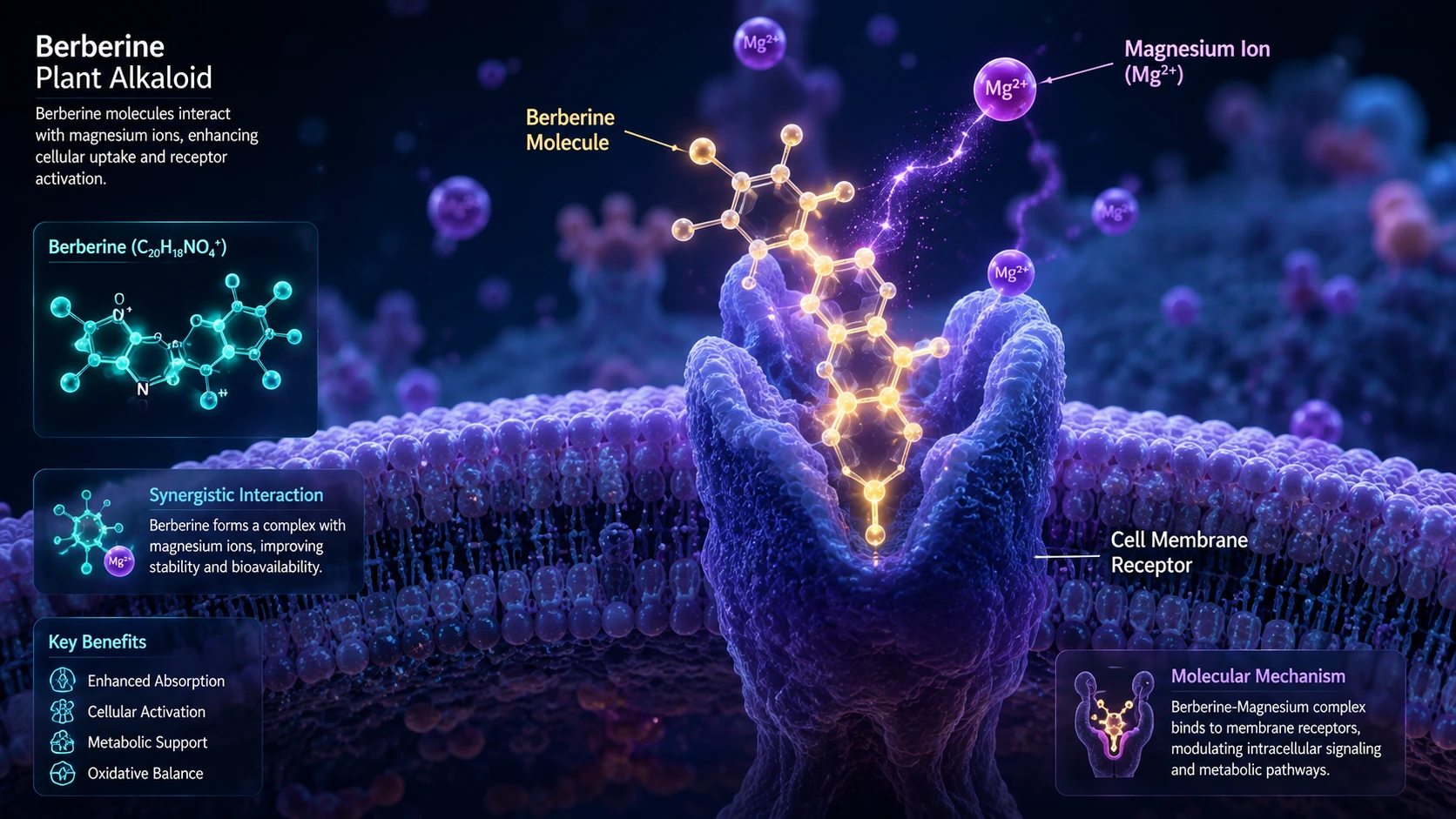
Taking berberine and magnesium together has emerged as one of the most clinically effective nutraceutical strategies for optimizing glucose homeostasis, lipid metabolism, and cellular energy regulation. While berberine is widely recognized as a natural activator of AMP-activated protein kinase (AMPK), magnesium serves as an essential cofactor in over 300 enzymatic reactions, including ATP stabilization and insulin receptor phosphorylation. Combining these two compounds creates a powerful biological synergy that addresses insulin resistance at both the systemic cellular level and within the gastrointestinal tract.
1. Cellular Mechanisms of Action: Dual AMPK Activation
Understanding the physiological outcome of taking berberine and magnesium together requires examining their independent and complementary pathways within cellular metabolism.
Berberine, an isoquinoline alkaloid extracted from plants such as Berberis vulgaris, exerts its primary metabolic effect by activating AMP-activated protein kinase (AMPK)—often referred to as the body’s master metabolic switch. AMPK senses low cellular energy (high AMP-to-ATP ratio) and responds by upregulating glucose uptake in skeletal muscle cells, promoting mitochondrial biogenesis, and inhibiting hepatic gluconeogenesis (glucose production in the liver).
However, AMPK activation relies heavily on the bioavailability of adenosine triphosphate (ATP) complexed with magnesium ions (Mg-ATP). Magnesium acts as a requisite structural co-factor for the tyrosine kinase enzyme inherent to the beta-subunit of the human insulin receptor. Without adequate intracellular magnesium levels, the phosphorylation of insulin receptor substrate-1 (IRS-1) is severely blunted, limiting berberine’s therapeutic capacity to restore glucose transport through GLUT4 translocation.
Biochemical Synergies at a Glance
- Berberine: Inhibits Mitochondrial Complex I, triggering an increase in AMP levels to stimulate AMPK.
- Magnesium: Binds to ATP molecules, stabilizing catalytic enzymes involved in cellular respiration and insulin signaling.
- Combined Result: Enhanced glycemic control, reduced postprandial blood sugar spikes, and decreased fasting triglyceride levels.
2. How Magnesium Solves Berberine’s Bioavailability and GI Issues
A persistent challenge with oral berberine supplementation is its exceptionally low bioaccessibility and intestinal absorption rate, which is estimated at less than 5%. Berberine is actively recognized by the P-glycoprotein (P-gp) efflux pump in intestinal epithelial cells, which pumps the molecule back into the intestinal lumen, causing frequent gastrointestinal side effects such as cramping, constipation, or acute diarrhea.
Taking berberine and magnesium together—specifically when using organic magnesium chelates like Magnesium Glycinate or Magnesium Malate—provides substantial gastrointestinal protection:
- P-gp Pump Modulation: Specific magnesium salts help stabilize smooth muscle activity in the digestive tract, reducing the spastic motility triggered by unabsorbed berberine.
- Glycine Cushioning: Magnesium Glycinate supplies free glycine, an inhibitory neurotransmitter that calms mucosal inflammation and reduces berberine-induced nausea.
- Osmotic Balance: Highly bioavailable forms of magnesium prevent rapid fluid shifts into the colon, mitigating the loose stool effects often associated with high-dose berberine protocols.
To understand how intestinal permeability impacts systemic nutrient absorption and hormone secretion, refer to our master guide on metabolic health and gut microbiome interactions.
3. Clinical Dosage Protocols and Timing Strategy
To maximize metabolic benefits while minimizing gastrointestinal discomfort, following a structured clinical dosing protocol for taking berberine and magnesium together is essential.
| Supplement Compound | Recommended Form | Optimal Daily Dose | Best Timing for Administration |
|---|---|---|---|
| Berberine HCl | Standardized 97% Alkaloid (or Dihydroberberine) | 1,000 mg – 1,500 mg (split into 2-3 doses) | 15–20 minutes prior to main carbohydrate-containing meals. |
| Magnesium | Magnesium Glycinate or Bisglycinate | 200 mg – 400 mg (elemental Mg) | Divided with meals or taken 30 minutes before bed. |
Clinical Tip: If you are new to berberine, start with a lower dose of 500 mg daily alongside 200 mg of Elemental Magnesium Glycinate for 7 days before scaling up to full therapeutic dosages.
4. Impact on the Gut Microbiome and Intestinal Barrier
Beyond direct cellular pathways, taking berberine and magnesium together exerts a profound restructuring effect on gut microbial architecture.
Berberine acts as a selective antimicrobial agent that suppresses opportunistic Gram-negative pathogens while enriching short-chain fatty acid (SCFA)-producing bacteria. Specifically, it fosters an intestinal environment conducive to the proliferation of Akkermansia muciniphila—a keystone species responsible for building the gut protective mucosal layer.
Simultaneously, intracellular magnesium is vital for maintaining epithelial tight junction structural proteins (such as Claudin-1 and Occludin). By protecting tight junction integrity, magnesium prevents the translocation of lipopolysaccharides (LPS) into systemic circulation, thereby curtailing metabolic endotoxemia.
For additional dietary strategies aimed at optimizing glycemic control, check out our guide on clinical nutrition and preventive protocols.
5. Safety, Interactions, and Contraindications
While taking berberine and magnesium together is safe for most healthy adults, clinical precautions must be observed regarding drug-supplement interactions:
- Hypoglycemia Risk: Berberine potentates anti-diabetic medications (such as Metformin, Glipizide, or Insulin). Combining these with magnesium and pharmaceutical agents may lead to low blood sugar levels (hypoglycemia). Monitor blood glucose closely.
- Cytochrome P450 Inhibition: Berberine inhibits liver enzymes CYP3A4, CYP2D6, and CYP2C9. This can elevate plasma concentration of medications metabolized by these pathways (e.g., statins, blood thinners, immunosuppressants).
- Renal Impairment: Individuals with moderate-to-severe Chronic Kidney Disease (CKD) must avoid high-dose magnesium supplementation due to impaired renal excretion of magnesium ions.
For primary research studies regarding berberine pharmacokinetics and ion channels, consult peer-reviewed resources on the National Institutes of Health (NIH / PubMed) or clinical guidelines from Harvard Health Publishing.
6. Frequently Asked Questions (FAQ)
Can I take berberine and magnesium at the exact same time?
Yes. Taking berberine and magnesium together during a meal is completely safe and actually recommended to enhance intestinal tolerance and reduce stomach upset.
Which form of magnesium is best to combine with berberine?
Magnesium Glycinate (or Bisglycinate) is the ideal form due to its superior bioaccessibility and soothing effect on the intestinal lining. Avoid Magnesium Oxide, which has poor absorption and may worsen berberine-induced diarrhea.
How long should I cycle berberine when taking it with magnesium?
Clinical protocols recommend cycling berberine: take it for 8 to 12 weeks, followed by a 2 to 4-week break. Magnesium, however, can be continued daily as an essential dietary mineral.