How to Detox from Seed Oils Naturally: 7 Best Proven Steps
Transitioning to a pure bio lifestyle requires more than just eating organic vegetables; it demands a deep cellular cleanse. If you are researching how to detox from seed oils naturally, you are taking the most crucial step toward stopping chronic metabolic inflammation. Industrial seed oils packed with unstable omega-6 polyunsaturated fatty acids (PUFAs) embed themselves in your cell membranes. Here is your comprehensive, evidence-based roadmap to flushing them out and restoring metabolic vitality.
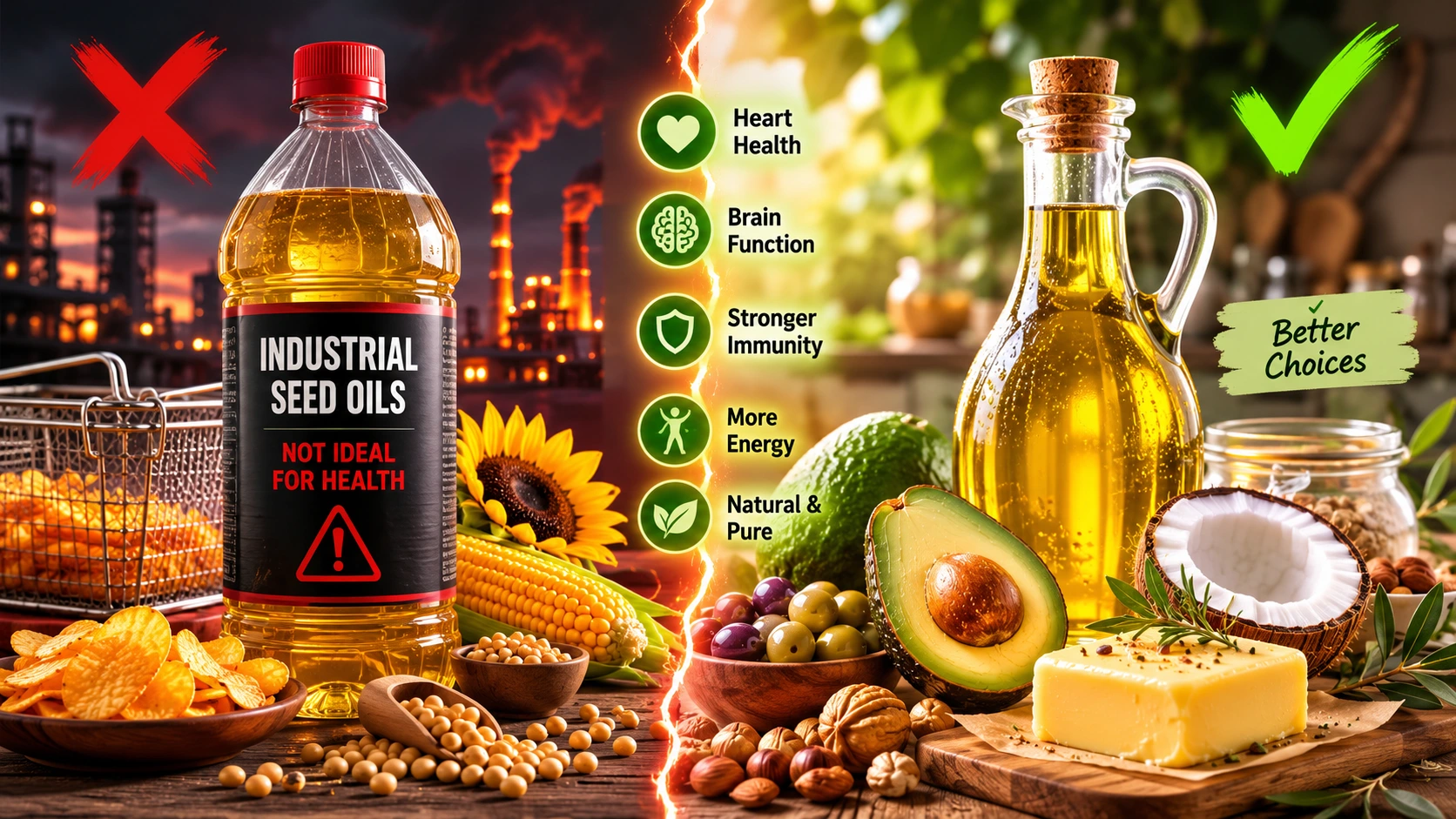
1. The Science: Why Seed Oils Destroy Cellular Health
Before executing a plan on how to detox from seed oils naturally, you must understand the enemy. Industrial seed oils (canola, sunflower, soybean, corn, and grapeseed) are extracted using high heat and harsh chemical solvents like hexane.
The danger lies in their high concentration of Linoleic Acid, a fragile Omega-6 fatty acid. Because these fats have multiple double bonds, they are highly reactive to oxygen. According to clinical research published by the National Institutes of Health (NIH), when consumed, these unstable fats oxidize inside your body, creating harmful Oxidized Linoleic Acid Metabolites (OXLAMs). This oxidative stress triggers systemic inflammation, damages mitochondrial DNA, and accelerates cellular aging.
2. The Linoleic Acid Detox Timeline
Detoxing from seed oils is not a 3-day juice cleanse; it is a biological process. The fats you consume become the literal building blocks of your cell membranes.
The Biological Half-Life
The half-life of linoleic acid in human adipose (fat) tissue is roughly 600 to 680 days. It takes about 2 to 3 years of strict avoidance to completely replace the PUFAs in your cells. However, most individuals report significant improvements in brain fog, joint pain, and digestion within the first 30 to 45 days.
3. How to Detox from Seed Oils Naturally: 7 Actionable Steps
If you want to know how to detox from seed oils naturally, follow these 7 proven steps to halt PUFA accumulation and stimulate cellular repair:
- Audit and Purge Your Pantry: Discard all bottles of canola, soybean, corn, sunflower, and safflower oil. If it requires a factory to produce, it does not belong in a bio lifestyle.
- Master Label Reading: Seed oils hide in unexpected places like oat milk, commercial salad dressings, roasted nuts, and “healthy” protein bars. Check every ingredient list.
- Switch to Ancestral Fats: Rebuild your cell membranes with stable fats. Cook with grass-fed tallow, ghee, and coconut oil (high smoke points). Use Extra Virgin Olive Oil (EVOO) for cold applications.
- Increase Vitamin E Intake: As your body releases stored PUFAs, oxidative stress can temporarily increase. Vitamin E is a powerful lipid-soluble antioxidant. Source it naturally from avocados and grass-fed butter.
- Dine Out Defensively: Over 90% of restaurants cook with cheap seed oils. Request your food to be cooked in butter, baked dry, or steamed.
- Incorporate Intermittent Fasting: Fasting accelerates autophagy (cellular cleanup) and forces your body to burn stored body fat, effectively burning off stored linoleic acid.
- Sweat Safely: While you cannot “sweat out” fat, regular sauna use and exercise improve blood flow, supporting the liver and lymphatic system as they process released toxins.
4. Balancing the Omega-3 to Omega-6 Ratio
A successful seed oil detox isn’t just about elimination; it’s about restoring balance. Historically, humans evolved on an Omega-6 to Omega-3 ratio of roughly 1:1. Today, the standard modern diet pushes this ratio to a dangerous 20:1, heavily favoring pro-inflammatory Omega-6s.
| Action Item | Dietary Strategy for Detox |
|---|---|
| Decrease Omega-6 | Eliminate factory-farmed pork and chicken (which are fed high-PUFA diets) and strictly avoid all vegetable oils. |
| Increase Omega-3 | Consume wild-caught fatty fish (salmon, sardines, mackerel) and grass-fed ruminant meats (beef, lamb, bison). |
For a deeper dive into how dietary fats affect cardiovascular health, review the guidelines provided by the American Heart Association (though always filter advice through a bio-evolutionary lens).
5. Interlinked AppleVita Protocols for Metabolic Repair
Understanding how to detox from seed oils naturally is just the first pillar of metabolic repair. Seed oil damage is heavily linked to gut dysfunction and hormonal weight gain. Integrate these core AppleVita protocols for maximum results:
Healing Leaky Gut Protocol
Seed oils damage intestinal tight junctions. Learn how to repair your mucosal barrier to prevent further inflammation.
Reduce Cortisol & Belly Fat
Discover how cellular stress from PUFA oxidation elevates cortisol and contributes to stubborn visceral belly fat.
6. Frequently Asked Questions (FAQ)
Can I sweat out seed oils in a sauna?
While sweating helps excrete water-soluble toxins, seed oils are lipid-soluble (stored in your fat cells). You cannot rapidly sweat them out. The only way to remove them is by utilizing those fats for energy over a prolonged period while fasting or exercising, and replacing them with healthy fats.
Are nuts and seeds high in seed oils?
Whole nuts and seeds do contain linoleic acid, but they are protected by intact cellular structures, fiber, and natural Vitamin E. They are safe in moderation. The metabolic danger lies in the highly processed, concentrated, and chemically extracted oils.
How long does it take to see results from a seed oil detox?
While fully clearing linoleic acid from your fat cells takes 2 to 3 years, the acute inflammatory response drops significantly within the first month. Most people experience reduced bloating and clearer skin in just 4 weeks.