Bill Ritter Alzheimer’s Diagnosis: 7 Powerful Facts About His Life Today
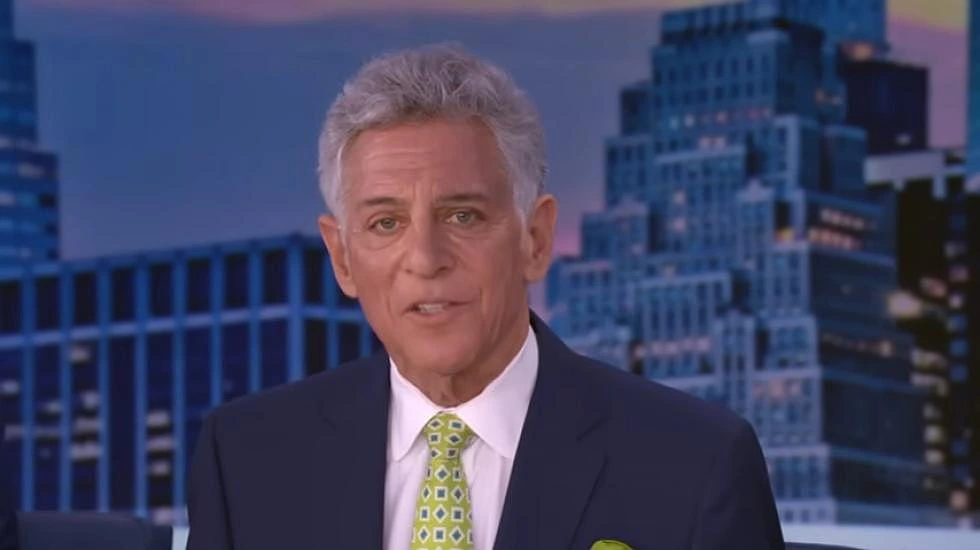
Former WABC anchor Bill Ritter has begun a new chapter after publicly discussing his early-stage Alzheimer’s diagnosis and his decision to continue reporting on the disease.
Bill Ritter Alzheimer’s diagnosis has changed the direction of the veteran New York journalist’s life, but it has not ended his connection with journalism. After decades as a familiar face on WABC-TV, Ritter publicly announced in June 2026 that he had been diagnosed with early-stage Alzheimer’s disease and would step away from the anchor desk.
The announcement quickly became much bigger than a television career story. Ritter has since discussed his diagnosis, his family, his experiences with memory problems and his plans to continue working on Alzheimer’s-related reporting. His decision has also opened a wider conversation about dementia, caregiving, diagnosis and the realities families face after a diagnosis.
Bill Ritter’s Life Today After His Diagnosis
For viewers who watched Bill Ritter for years, seeing him leave the regular anchor desk represents a major change. Ritter had become closely associated with WABC’s evening newscasts, but his current life is taking a different shape. Rather than disappearing from public life, he has chosen to use his experience to help report on Alzheimer’s disease and the challenges surrounding it.
The Bill Ritter Alzheimer’s diagnosis became public on June 12, 2026, when he announced during his final regular anchor broadcast that he had been diagnosed with early-stage Alzheimer’s. ABC News reported that Ritter, 76, had anchored WABC’s 6 p.m. newscast since 2001 and would step away from that role. :contentReference[oaicite:0]{index=0}
His life now combines several priorities that did not necessarily have the same weight during his years of daily television anchoring. He has spoken about spending time with his wife and children, continuing professional work and using his public platform to raise awareness about Alzheimer’s. In a July 2026 interview with WBUR, Ritter described his continuing reporting mission as something he feels honored to embrace. :contentReference[oaicite:1]{index=1}
Bill Ritter Alzheimer’s Diagnosis: What Happened?
The Bill Ritter Alzheimer’s diagnosis followed a period in which Ritter and his family noticed changes in his memory. According to his June interview with Good Morning America, he first noticed symptoms around two years earlier, while he was still anchoring multiple nightly newscasts. He said he began forgetting people, names and places, and his wife noticed changes too. :contentReference[oaicite:2]{index=2}
At first, Ritter did not automatically assume that Alzheimer’s was the cause. Like many older adults, he wondered whether some of the changes could simply be connected with age. He eventually decided that the persistent nature of the problem made medical testing important, particularly because the changes were continuing rather than disappearing.
Ritter explained that earlier testing did not initially provide the answer he was looking for. Eventually, he underwent more advanced testing that showed Alzheimer’s disease. His story demonstrates why persistent cognitive changes deserve professional attention rather than being automatically dismissed as ordinary aging.
The Early Signs Bill Ritter Noticed
Ritter has described the first signs of his condition in remarkably ordinary terms. He noticed that names and places were becoming harder to remember. Because he was still performing a demanding television job, those changes were especially noticeable to him and eventually became difficult to ignore.
According to Good Morning America, Ritter tried reducing his workload because he hoped that less stress and more sleep might help. When the forgetfulness continued, he and his family decided it was time to seek additional testing. That decision ultimately played a central role in discovering the underlying condition. :contentReference[oaicite:3]{index=3}
The experience also highlights why conversations about memory should be handled carefully. There is a large difference between occasionally losing your train of thought and experiencing persistent changes that interfere with familiar activities. Only an appropriate medical evaluation can help determine what may be causing concerning symptoms.
Why Memory Changes Should Not Automatically Be Ignored
Memory problems can have many possible causes, including normal aging, medications, sleep problems, stress and a range of medical conditions. Alzheimer’s is only one possible explanation. That is why public stories like Ritter’s should encourage awareness and conversations with healthcare professionals rather than self-diagnosis.

Ritter’s long career in New York television has given him a large public platform for discussing Alzheimer’s awareness.
Bill Ritter’s Family History With Dementia
Family history has been an important part of the story surrounding the Bill Ritter Alzheimer’s diagnosis. Ritter has publicly discussed his father, who died after living with Lewy body dementia. That experience meant that dementia was not an abstract medical term to Ritter; he had already watched someone close to him live through its effects.
In his WBUR interview, Ritter explained that thinking about his father was one of his immediate reactions after receiving his own diagnosis. He then thought about his wife and children and what the diagnosis could eventually mean for them. :contentReference[oaicite:4]{index=4}
That perspective has influenced how Ritter talks about Alzheimer’s. His comments repeatedly place the focus not only on the person diagnosed but also on the family members who may provide emotional and practical support. For many families, dementia changes routines, responsibilities and financial planning as well as the health of the individual diagnosed.
Bill Ritter’s Remarkable WABC Career
Before his diagnosis became public, Ritter had already spent decades building a reputation in New York television. ABC News reported that he joined WABC in 1998 and became the station’s 6 p.m. anchor in 2001. His final regular anchor broadcast took place on June 12, 2026. :contentReference[oaicite:5]{index=5}
That long career makes his decision to speak openly about his health particularly significant. Television anchors spend their careers presenting information to the public, and Ritter explained that he did not feel comfortable continuing to appear on screen without being truthful about something that was affecting him.
His departure therefore represents more than a change in employment. It is the end of one stage of a career and the beginning of another. Instead of being primarily responsible for delivering a nightly newscast, Ritter can now devote more attention to reporting and awareness work connected with Alzheimer’s disease.
| Bill Ritter Career Milestone | Year / Detail |
|---|---|
| Joined WABC | 1998 |
| Became 6 p.m. anchor | 2001 |
| Publicly announced diagnosis | June 12, 2026 |
| Age at announcement | 76 |
| Final regular anchor broadcast | June 12, 2026 |
His New Role After Leaving the Anchor Desk
One of the most encouraging parts of the story is that Ritter has not described his diagnosis as the end of his professional life. Instead, he has said that he plans to continue working in a role connected with Alzheimer’s reporting and public awareness. Good Morning America reported that he would continue working with WABC in a new capacity. :contentReference[oaicite:6]{index=6}
That new role gives Ritter a perspective that is unusual in journalism. He can approach Alzheimer’s stories not only as an experienced reporter but also as someone personally experiencing the disease. His own diagnosis allows him to understand questions that patients and families may have when they first encounter the healthcare system.
In July, WBUR interviewed Ritter about his new mission. He discussed the public response to his announcement, the financial challenges associated with Alzheimer’s care and his desire to bring attention to people trying to navigate the disease. :contentReference[oaicite:7]{index=7}
Turning a Personal Experience Into Public Awareness
The public response appears to have strengthened Ritter’s commitment to the work. He has described hearing from people who approached him to share their own experiences with parents and relatives affected by Alzheimer’s. Those conversations helped him recognize that his story had become part of a much larger discussion.
Why Family Has Become So Important
The Bill Ritter Alzheimer’s diagnosis has also changed the way he talks about time and family. Ritter has repeatedly emphasized his wife and children when discussing what happens next. The diagnosis affects more than his professional routine; it also creates uncertainty for the people closest to him.
In his GMA interview, Ritter spoke openly about the emotional effect the diagnosis could have on his family. He explained that his thoughts quickly turned to his wife and children after learning the results. :contentReference[oaicite:8]{index=8}
This is an important aspect of Alzheimer’s that can sometimes disappear behind statistics and medical terminology. A diagnosis can influence the entire family system. Responsibilities may change, conversations about future care may become necessary and loved ones may need support of their own.
For readers interested in broader health topics, AppleVita also publishes information about healthy lifestyle habits and everyday wellness. Visit AppleVita’s health and wellness homepage for more articles.
Why Bill Ritter Chose to Speak Publicly
The decision to reveal a medical diagnosis publicly is deeply personal. Ritter has explained that he wanted to be honest with viewers because he could not continue appearing on television while withholding information that was affecting his professional life. That transparency became one of the defining moments of his final anchor broadcast.
The response was much larger than Ritter initially expected. During his WBUR interview, he described receiving an enormous amount of public support after the announcement. People contacted him because they had their own experiences with Alzheimer’s and wanted to understand what was happening. :contentReference[oaicite:9]{index=9}
That reaction demonstrates why public conversations about dementia can be valuable. When someone familiar talks openly about diagnosis, memory changes and family concerns, other people may feel more comfortable discussing their own questions with healthcare professionals.
Ritter has described his new reporting mission as an opportunity to help bring people together around Alzheimer’s awareness and the challenges families face.
Important Alzheimer’s Statistics
Ritter’s story is unfolding against a much larger public-health challenge. During his WBUR interview, he referenced an estimated 7.5 million people in the United States living with Alzheimer’s disease. :contentReference[oaicite:10]{index=10}
The exact number of people affected can change as researchers update estimates and as diagnostic practices evolve. It is also important to remember that Alzheimer’s affects families and caregivers in addition to people who receive a diagnosis.
Alzheimer’s Is More Than Memory Loss
Alzheimer’s disease is a progressive brain disorder that can affect memory, thinking, behavior and the ability to perform everyday activities. The condition is the most common form of dementia, but dementia itself is a broader term that describes a decline in cognitive abilities severe enough to interfere with daily life.
For accurate medical information, readers should rely on established health organizations and qualified professionals. The National Institute on Aging’s Alzheimer’s and dementia resources provide information about symptoms, diagnosis, treatment and caregiving.
What Can We Learn From Bill Ritter’s Story?
The Bill Ritter Alzheimer’s diagnosis offers several important lessons without turning one person’s experience into a universal medical roadmap. First, persistent memory changes should not automatically be dismissed as ordinary aging. Ritter noticed changes, discussed them with his family and ultimately pursued further testing when the problems continued.
Second, diagnosis does not necessarily mean that every part of life stops. Ritter has chosen to continue working in a different capacity and to use his experience to support public awareness. His approach will not be right for everyone, but it demonstrates that people can make personal decisions about how they want to navigate a major health change.
Third, family support matters. Ritter has repeatedly discussed his wife, children and memories of his father. His story highlights how a neurological condition can affect relationships, planning and emotions throughout a family.
Finally, the story demonstrates the value of accurate information. Alzheimer’s is complex, and individual experiences can differ greatly. Public stories can raise awareness, but medical decisions should always be based on professional evaluation rather than another person’s treatment experience.
What Comes Next for Bill Ritter?
The next chapter of Ritter’s career will look different from the decades he spent behind the WABC anchor desk. However, his journalism has not ended. Instead, he has taken on a new role that allows him to report on Alzheimer’s and bring attention to the experiences of patients, families and caregivers.
In his July WBUR interview, Ritter spoke about the importance of continuing to work while also spending meaningful time with his family. He described the opportunity to report on Alzheimer’s as something he feels strongly about pursuing. :contentReference[oaicite:11]{index=11}
The Bill Ritter Alzheimer’s diagnosis therefore represents a significant turning point rather than a simple ending. His career as an anchor has changed, but his role as a journalist continues in a different form.
For viewers who followed Ritter for years, the most striking part of his story may ultimately be the way he has chosen to respond. He has confronted an uncertain future publicly, remained connected to journalism and placed his family at the center of his priorities.
Bill Ritter Alzheimer’s Diagnosis: Key Takeaways
The most important facts are straightforward. Ritter is 76, joined WABC in 1998, became the station’s 6 p.m. anchor in 2001 and publicly announced his early-stage Alzheimer’s diagnosis on June 12, 2026. He has said that memory changes began around two years earlier and that his wife also noticed them. :contentReference[oaicite:12]{index=12}
After leaving the regular anchor desk, Ritter has continued his professional work with a focus on Alzheimer’s reporting and awareness. His story has generated a large public response, including messages from people whose families have experienced dementia.
Most importantly, his experience should not be treated as a substitute for medical advice. Alzheimer’s can affect people differently, and diagnosis, treatment and care decisions require individual professional assessment.
Trusted Sources
This article uses current 2026 reporting from established news organizations and medical information from the National Institute on Aging.
- ABC News: Bill Ritter’s final WABC anchor broadcast and diagnosis
- Good Morning America: Bill Ritter discusses his symptoms, diagnosis and future at work
- WBUR Here & Now: Bill Ritter discusses his Alzheimer’s diagnosis and new mission
- National Institute on Aging: Alzheimer’s disease and dementia information
Frequently Asked Questions About Bill Ritter
Yes. Bill Ritter publicly announced in June 2026 that doctors had diagnosed him with early-stage Alzheimer’s disease.
Bill Ritter is 76 years old as of his 2026 diagnosis announcement.
He stepped away from his regular anchor role after publicly announcing his early-stage Alzheimer’s diagnosis and discussing the memory problems he had experienced.
Yes. Ritter has said that he plans to continue working in a role focused on Alzheimer’s reporting and public awareness.
Ritter joined WABC in 1998 and became the station’s 6 p.m. anchor in 2001.
He has said that he began forgetting people, names and places and that his wife also noticed changes.
Yes. Ritter has publicly discussed his father’s Lewy body dementia and how that experience influenced his reaction to his own diagnosis.
Conclusion: Bill Ritter Is Beginning a New Chapter
The story of Bill Ritter Alzheimer’s diagnosis is about much more than a television anchor leaving a familiar position. It is about a journalist confronting a life-changing diagnosis and deciding that honesty with his audience was the right path.
Ritter has chosen to continue working while focusing more closely on Alzheimer’s reporting and awareness. At the same time, he has emphasized his wife, children and the importance of spending meaningful time with family.
His decision to speak publicly has also created a broader conversation. People affected by Alzheimer’s have contacted him with their own stories, showing how one person’s experience can encourage others to talk about dementia and seek reliable information.
For Ritter, the future may look very different from his decades as a WABC anchor, but journalism remains part of his identity. His new mission gives him an opportunity to use that experience in a different way: helping people understand Alzheimer’s and bringing greater attention to the families living with it.
The most responsible takeaway is simple: awareness matters, persistent cognitive changes deserve professional attention, and every person’s experience with Alzheimer’s is different. Ritter’s story can start a conversation, but medical care should always come from qualified healthcare professionals.
Đọc xong thấy rất bổ ích. Letco chuyên du học Hàn Quốc, tư vấn 1-1 theo năng lực và ngân sách từng bạn. Ghé thăm letco.vn để được hỗ trợ.