Healthy Ageing: 9 Powerful Ways to Age Better and Stay Healthy
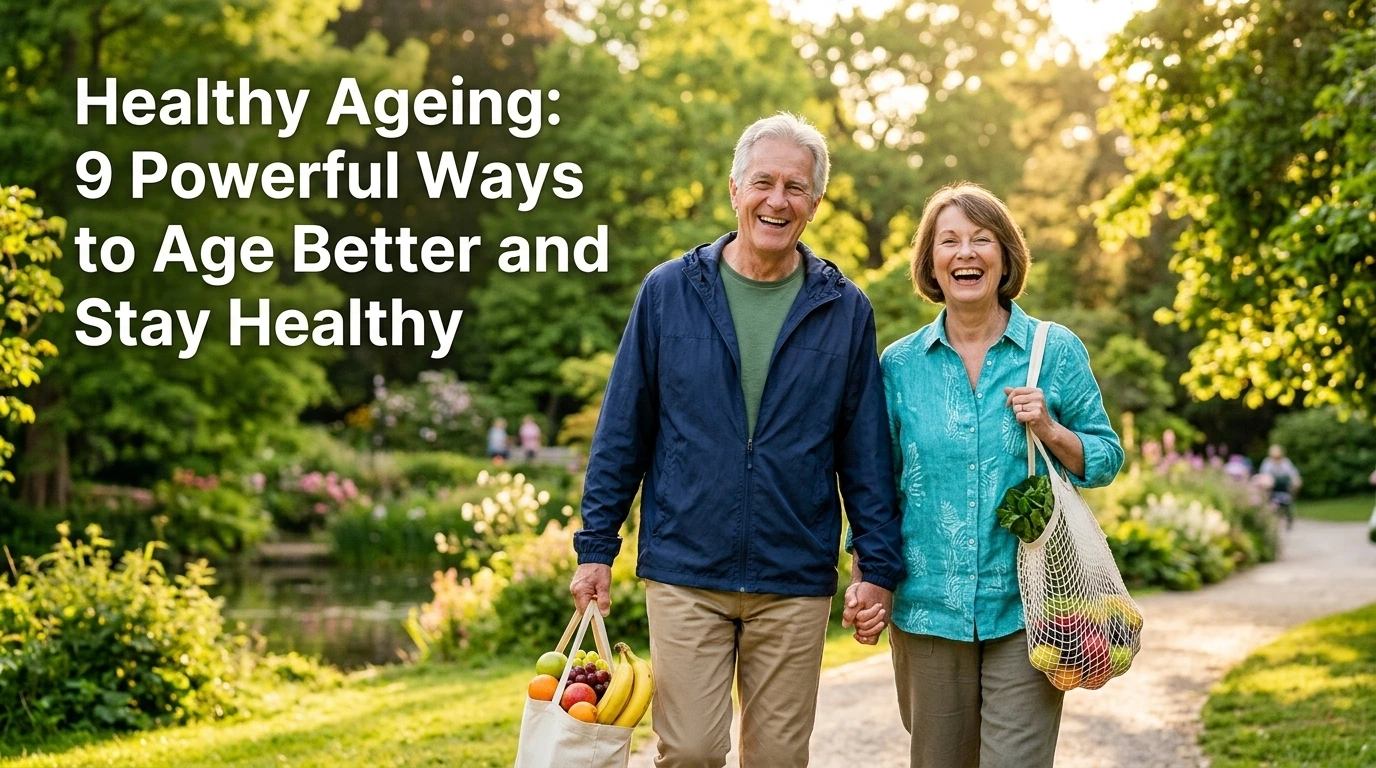
Healthy ageing is about maintaining physical, mental and cognitive wellbeing while preserving independence and quality of life.
Healthy ageing means supporting the abilities and habits that help you remain healthy, active, independent and engaged as you grow older. It is not simply about looking younger or avoiding every age-related change. Regular physical activity, nutritious food, adequate sleep, social connection, mental stimulation and appropriate healthcare can all contribute to better ageing.
What Does Healthy Ageing Really Mean?
Healthy ageing is much broader than simply reaching an older age without disease. The World Health Organization describes healthy ageing around maintaining the functional ability that allows people to live well, rather than defining health only by the absence of illness. That distinction matters because two people of exactly the same age can have very different levels of mobility, independence, cognitive ability, social participation and overall wellbeing.
Ageing is a natural biological process, and nobody can completely stop it. The more useful question is what can be done to support health and function throughout the years. Genetics play a role, but many everyday factors are also important. Physical activity, nutrition, sleep, mental wellbeing, social relationships and regular healthcare can all influence how people experience later life.
The goal of healthy ageing should therefore be realistic. It is not about chasing a perfect body or pretending that ageing does not bring changes. Instead, it is about protecting the abilities that allow you to participate in everyday life, maintain relationships, enjoy meaningful activities and remain as independent as possible.
This approach also makes healthy ageing relevant long before someone reaches retirement age. The habits built in the 30s, 40s and 50s can influence health later in life. That does not mean anyone is guaranteed a particular outcome, but it does mean that healthy choices can be viewed as long-term investments rather than short-term fixes.
Why Healthy Ageing Matters More Than Ever
The global population is ageing rapidly. According to the World Health Organization, by 2030 one in six people worldwide will be aged 60 or older. WHO projects that the number of people aged 60 and above will reach about 1.4 billion by 2030 and approximately 2.1 billion by 2050.
These demographic changes make healthy ageing an increasingly important public-health topic. More people are living longer, which creates an opportunity to focus not only on lifespan but also on the quality and independence of those additional years.
The numbers explain why conversations about ageing and health are becoming more important. Healthcare systems, families and individuals all need practical strategies that support mobility, cognition, emotional wellbeing and independence.
1. Keep Your Body Moving for Healthy Ageing
Physical activity is one of the strongest foundations of healthy ageing. Movement helps the body maintain cardiovascular fitness, muscle function, balance and mobility. It can also support mood, sleep and overall quality of life. The National Institute on Aging describes physical activity as a cornerstone of healthy ageing and emphasizes that it can be beneficial at different stages of life.
You do not necessarily need an expensive gym membership to become more active. Walking, gardening, cycling, dancing, swimming and other enjoyable activities can contribute to an active lifestyle. The most sustainable exercise routine is often the one that fits naturally into your life and is something you are willing to continue.
For older adults, NIA cites a general recommendation of at least 150 minutes of moderate-intensity aerobic activity each week, along with muscle- strengthening activities on two days. Balance activities can also be useful, particularly because maintaining physical function can help support independence and reduce fall risk.
If you are currently inactive or have a medical condition, the safest approach is to discuss an appropriate activity level with a healthcare professional. Exercise should be adapted to your abilities and circumstances rather than copied from someone else’s routine.
2. Protect Muscle and Strength as You Age
Muscle strength becomes particularly important during ageing because everyday independence depends on physical function. Standing from a chair, carrying groceries, climbing stairs and moving safely around the home all require strength and coordination.
NIA notes that muscle function can decline with age, but physical activity can help older adults maintain muscle mass and function. Strength-focused exercise can therefore be an important component of a broader healthy ageing strategy.
Strength training does not necessarily mean lifting extremely heavy weights. Depending on a person’s ability and medical situation, exercises using resistance bands, body weight, machines or appropriately selected weights may be useful.
The important point is progression and consistency. A qualified professional can help determine what exercises are appropriate, particularly for anyone with balance problems, injuries or chronic health conditions.
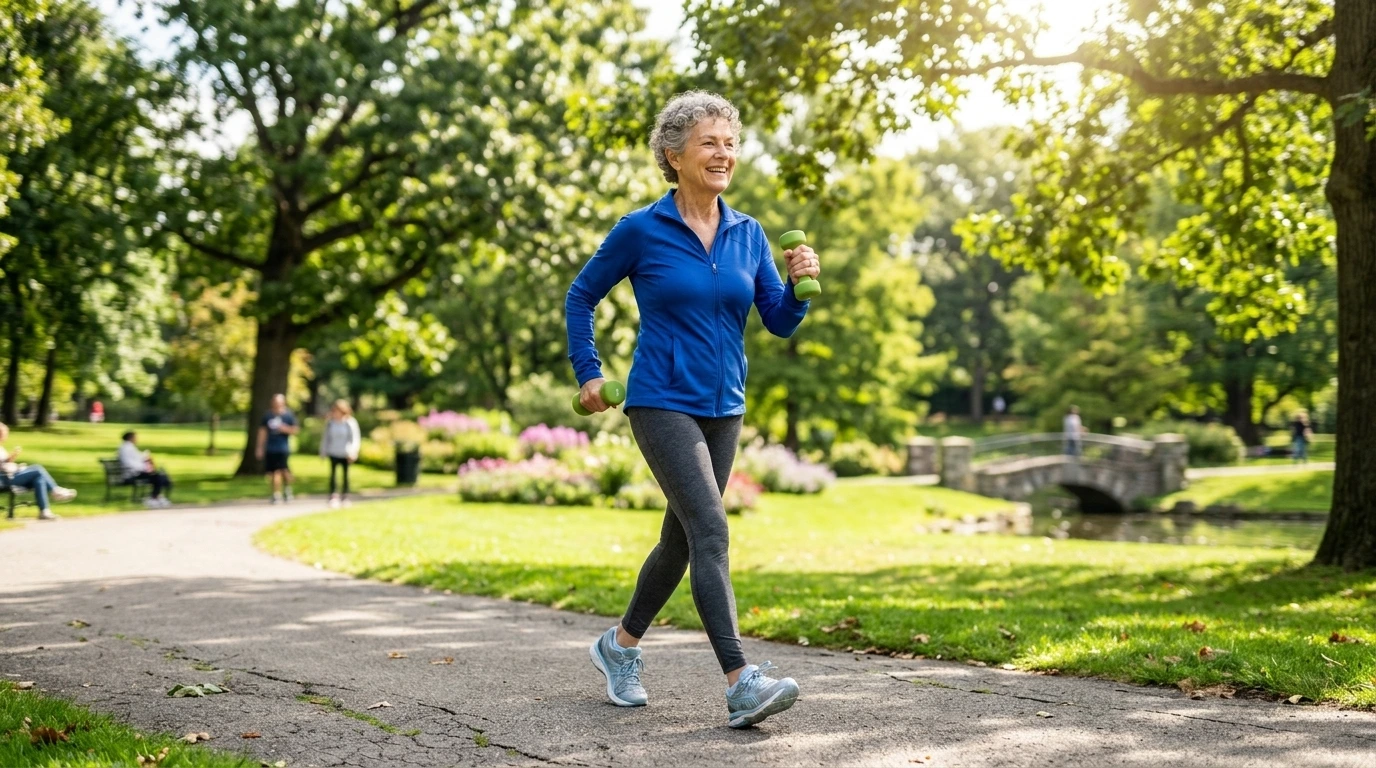
Regular movement, strength work and balance activities can help support mobility and independence during ageing.
3. Build a Nutrient-Dense Diet
Nutrition is another major pillar of healthy ageing. As people get older, nutritional needs can change, appetite may change and some people may have difficulty preparing or eating certain foods. A healthy eating pattern should therefore focus on nutrient density rather than simply cutting calories.
The National Institute on Aging recommends choosing a variety of nutrient- dense foods across major food groups, including vegetables, fruits, whole grains, protein foods, dairy or suitable alternatives and healthy fats.
A Mediterranean-style eating pattern is frequently discussed in research because it emphasizes vegetables, fruits, whole grains, legumes, fish, healthy fats and minimally processed foods. However, no single diet is universally appropriate for everyone.
Healthy eating also needs to be practical. Meals should fit cultural preferences, budget, appetite and individual medical needs. If someone has diabetes, kidney disease, swallowing difficulties or another medical condition, nutrition advice may need to be individualized.
| Healthy Ageing Nutrition Priority | Examples |
|---|---|
| Vegetables and fruit | Leafy greens, tomatoes, berries, citrus, carrots and other produce |
| Protein foods | Fish, eggs, beans, lentils, poultry and other suitable protein sources |
| Whole grains | Oats, whole-grain bread, brown rice and other whole grains |
| Healthy fats | Nuts, seeds, olive oil and other unsaturated-fat sources |
For more nutrition information, readers can also explore our AppleVita nutrition articles if that category exists on your website.
4. Make Sleep a Priority
Sleep is sometimes overlooked when people discuss healthy ageing, yet it plays an important role in physical and cognitive wellbeing. The National Institute on Aging states that older adults generally need about seven to nine hours of sleep each night, similar to other adults.
Sleep patterns can change with age, and some older adults experience difficulty falling asleep, staying asleep or getting enough restorative sleep. Health conditions, medications and sleep disorders can all contribute to these problems.
A consistent sleep schedule can be a useful starting point. Going to bed and waking at similar times each day may help establish a predictable routine. Regular daytime activity and exposure to natural light can also support healthy sleep patterns.
Persistent insomnia, loud snoring, breathing pauses during sleep or severe daytime sleepiness should not simply be dismissed as a normal part of ageing. These symptoms may warrant discussion with a healthcare professional.
5. Protect Brain and Cognitive Health
Brain health is another important part of healthy ageing. Ageing can bring some changes in memory and processing speed, but growing older does not automatically mean developing dementia.
NIA highlights several lifestyle factors associated with cognitive health, including physical activity, healthy eating, mental stimulation and social engagement. Learning new skills, reading, writing, playing music, studying a language or participating in intellectually engaging activities can keep the brain actively involved.
The key is not to search for one magical brain exercise. Instead, think of brain health as a system. Physical health, sleep, cardiovascular health, mental wellbeing and social connection can all interact with cognitive function.
For more information about brain health and ageing, consult the National Institute on Aging’s healthy ageing resources .
7. Manage Stress and Mental Health
Mental wellbeing deserves a central place in any discussion of healthy ageing. Major life transitions, retirement, changes in health, bereavement and social isolation can all affect emotional health. Taking care of mental wellbeing should therefore be viewed as part of overall health rather than an optional extra.
Stress-management techniques can include physical activity, time outdoors, breathing exercises, meditation, hobbies, journaling, social connection and professional support when appropriate.
There is no universal strategy. What matters is finding healthy approaches that are realistic and sustainable. If sadness, anxiety, hopelessness or loss of interest becomes persistent or interferes with everyday life, professional support can be important.
8. Keep Up With Preventive Healthcare
One of the simplest ways to support healthy ageing is to avoid waiting until something feels seriously wrong before seeking medical care. Regular healthcare appointments can provide opportunities to discuss blood pressure, cholesterol, diabetes risk, medications, vaccinations, vision, hearing and other age-related concerns.
Preventive healthcare is not about trying to eliminate every possible risk. It is about identifying important issues early and making informed decisions with a healthcare professional.
Medication reviews can also become increasingly important as people age. Taking multiple medicines can create interactions or side effects, so patients should keep healthcare professionals informed about prescription medicines, over-the-counter products and supplements.
NIA includes regular healthcare among the practical steps that can support healthy ageing. :contentReference[oaicite:1]{index=1}
9. Build Sustainable Healthy Ageing Habits
The biggest mistake people make with healthy ageing is looking for a dramatic transformation. Long-term health is usually built through ordinary decisions repeated over time. A daily walk, balanced meal, consistent sleep schedule, meaningful conversation and regular healthcare appointment may seem small individually, but together they create a health-supporting lifestyle.
You do not have to change everything at once. Start with one or two habits that are realistic. Once those habits become part of your routine, add another small improvement.
This approach is especially useful because ageing is not a competition. There is no single ideal pace, body type or lifestyle that every older adult must follow. The most useful goal is maintaining function, independence, wellbeing and quality of life according to your own circumstances.
A Simple Healthy Ageing Checklist
- Move regularly throughout the week.
- Include strength and balance activities when appropriate.
- Choose nutrient-dense foods most of the time.
- Protect a consistent sleep routine.
- Keep learning and challenging your mind.
- Maintain meaningful social connections.
- Manage stress and look after mental wellbeing.
- Attend appropriate healthcare appointments.
- Avoid smoking and discuss alcohol use with a healthcare professional.
- Make changes gradually enough that you can sustain them.
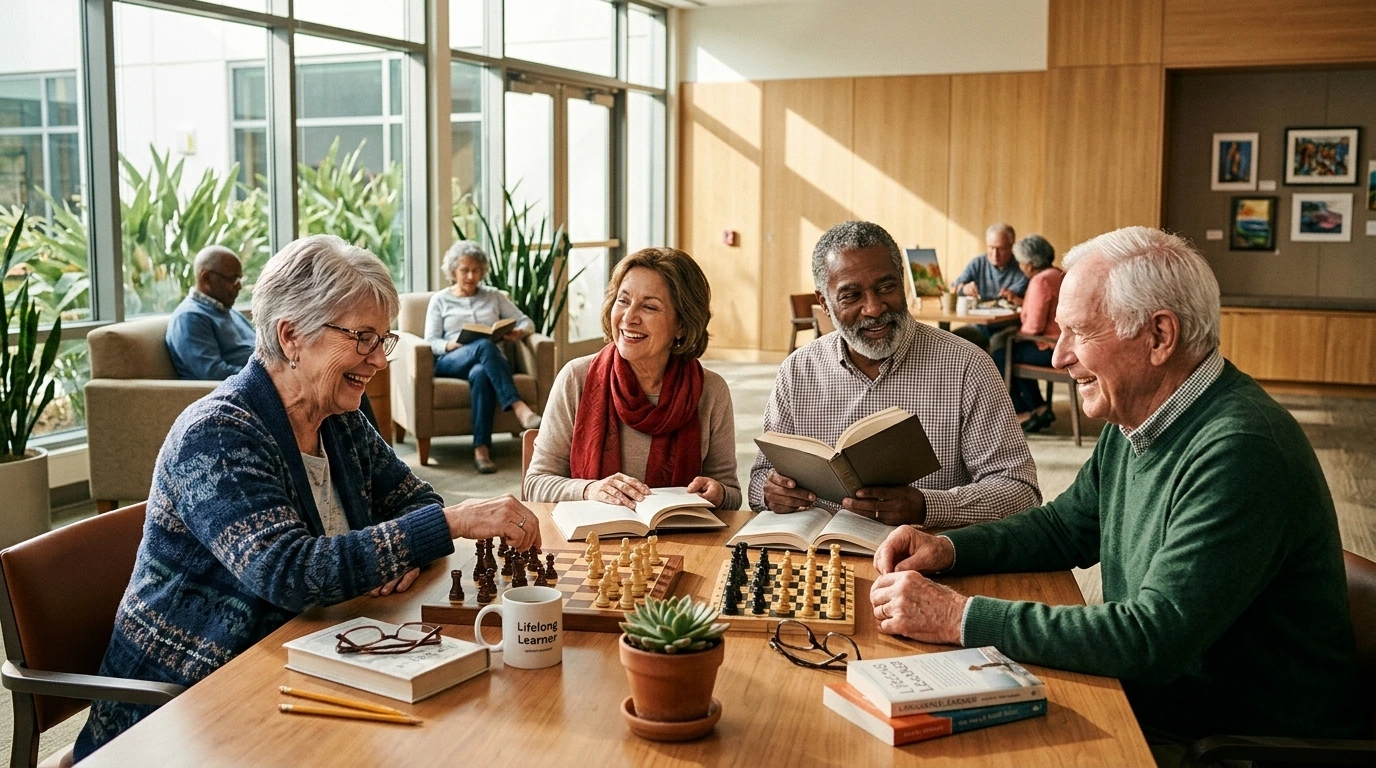
Healthy ageing includes cognitive stimulation, social connection and activities that provide purpose and enjoyment.
Healthy Ageing Is About Function, Not Perfection
The phrase ageing gracefully can sometimes create the impression that people should simply accept every health problem as inevitable. Modern healthy ageing research presents a more useful idea: ageing is natural, but many aspects of health and function can be supported.
NIA emphasizes that genetics are only one factor influencing healthy ageing. Lifestyle choices and healthcare decisions can also play important roles. This does not mean people can completely control how they age, and it certainly does not mean illness is someone’s fault. It means there are practical areas where people may be able to improve or maintain health.
That distinction is important. Healthy ageing should never become another standard people feel pressured to achieve perfectly. It should instead provide useful tools for living well through different stages of life.
Healthy Ageing and Longevity: What Is the Real Goal?
Longevity is often discussed as if living longer were the only objective. But a longer life is most meaningful when those additional years include mobility, relationships, independence and activities that give life purpose. This is why healthy ageing focuses on function and wellbeing rather than simply adding years to the calendar.
Researchers continue to investigate how lifestyle, genetics, environment and healthcare interact during ageing. There is no single intervention that guarantees a longer or healthier life. Instead, the evidence supports a collection of practical behaviors that can contribute to better overall health.
That makes healthy ageing less like a magic formula and more like building a strong foundation. Each healthy habit adds another supportive layer, while professional healthcare helps identify problems that lifestyle alone cannot address.
What the Evidence Says About Healthy Ageing
The evidence-based approach is consistent across major health organizations: stay physically active, eat a nutritious diet, get adequate sleep, care for mental and cognitive health, maintain relationships and use preventive healthcare appropriately.
NIA specifically describes physical activity as essential for healthy ageing and notes potential benefits for cardiovascular health, type 2 diabetes, mental wellbeing, sleep, physical function and quality of life.
NIA also identifies healthy eating as a cornerstone of healthy ageing, emphasizing a variety of nutrient-dense foods rather than a single miracle food or restrictive diet.
These recommendations are valuable because they are broad enough to be adapted to different lifestyles. Healthy ageing is not about following an internet trend. It is about applying evidence-based principles to real life.
Trusted Medical & Health Sources
For readers who want to verify the information in this article, these organizations provide authoritative resources on ageing and health:
Frequently Asked Questions About Healthy Ageing
Healthy ageing is the process of maintaining the functional abilities, health and wellbeing that allow a person to live as independently and meaningfully as possible as they grow older.
Regular physical activity, nutritious eating, adequate sleep, mental stimulation, social connection, stress management and appropriate preventive healthcare are among the most important areas to focus on.
Yes. Physical activity can support muscle function, cardiovascular health, balance, mobility, mood, sleep and quality of life. The appropriate type and amount of activity depends on an individual’s health and abilities.
The National Institute on Aging states that older adults generally need around seven to nine hours of sleep each night, although individual sleep needs and circumstances can vary.
No. Age is an important risk factor for dementia, but ageing itself does not mean that a person will develop dementia. Significant or worsening cognitive changes should be discussed with a healthcare professional.
Healthy habits are associated with better health outcomes and may contribute to longevity, but no lifestyle plan can guarantee a specific lifespan. Genetics, environment, healthcare and many other factors also influence health and longevity.
Conclusion: Start Healthy Ageing One Habit at a Time
Healthy ageing is not about trying to stop time. It is about making the years ahead as healthy, active, independent and meaningful as possible. The strongest approach is not a miracle supplement or extreme routine, but a collection of practical habits supported by evidence.
Move your body, eat nourishing foods, protect your sleep, keep your mind engaged, maintain relationships and stay connected with appropriate healthcare. You do not have to make every change tomorrow. Starting with one realistic improvement and building from there can make a healthier lifestyle much easier to maintain.
As the global population continues to age, healthy ageing will become an even more important part of public health. The goal is not simply to add years to life, but to support the ability to live those years with dignity, connection, independence and quality of life.
6. Stay Socially Connected
Healthy ageing is not only about food and exercise. Human beings also need relationships, purpose and meaningful interaction. Social connection can provide emotional support, opportunities for activity and a sense of belonging.
Simple activities can make a difference. Talking with friends, spending time with family, volunteering, participating in community groups, learning something new with other people or joining an activity group can all create regular opportunities for connection.
For older adults who live alone, social connection may become particularly important. Families can help by creating regular routines for phone calls, visits or shared activities.
NIA also recommends social connection and participation in enjoyable activities as components of healthy ageing. The goal is not to maintain a huge social circle but to cultivate meaningful relationships.