Brain Cancer Symptoms: 7 Critical Signs & Early Detection
A diagnosis of brain cancer can feel deeply overwhelming for patients and their families. Recognizing brain cancer symptoms early is one of the most critical steps in improving patient outcomes and navigating medical treatments successfully. Because the brain controls every vital function of the body, spotting early warning signs can make a massive difference in medical intervention, treatment efficacy, and long-term recovery.
Whether benign or malignant, abnormal growths within the skull can exert pressure on delicate brain tissue, disrupting normal neurological functions. As medical technology and diagnostic imaging continue to advance through 2026, catching these abnormalities early remains a top priority for oncologists, researchers, and neurologists worldwide.
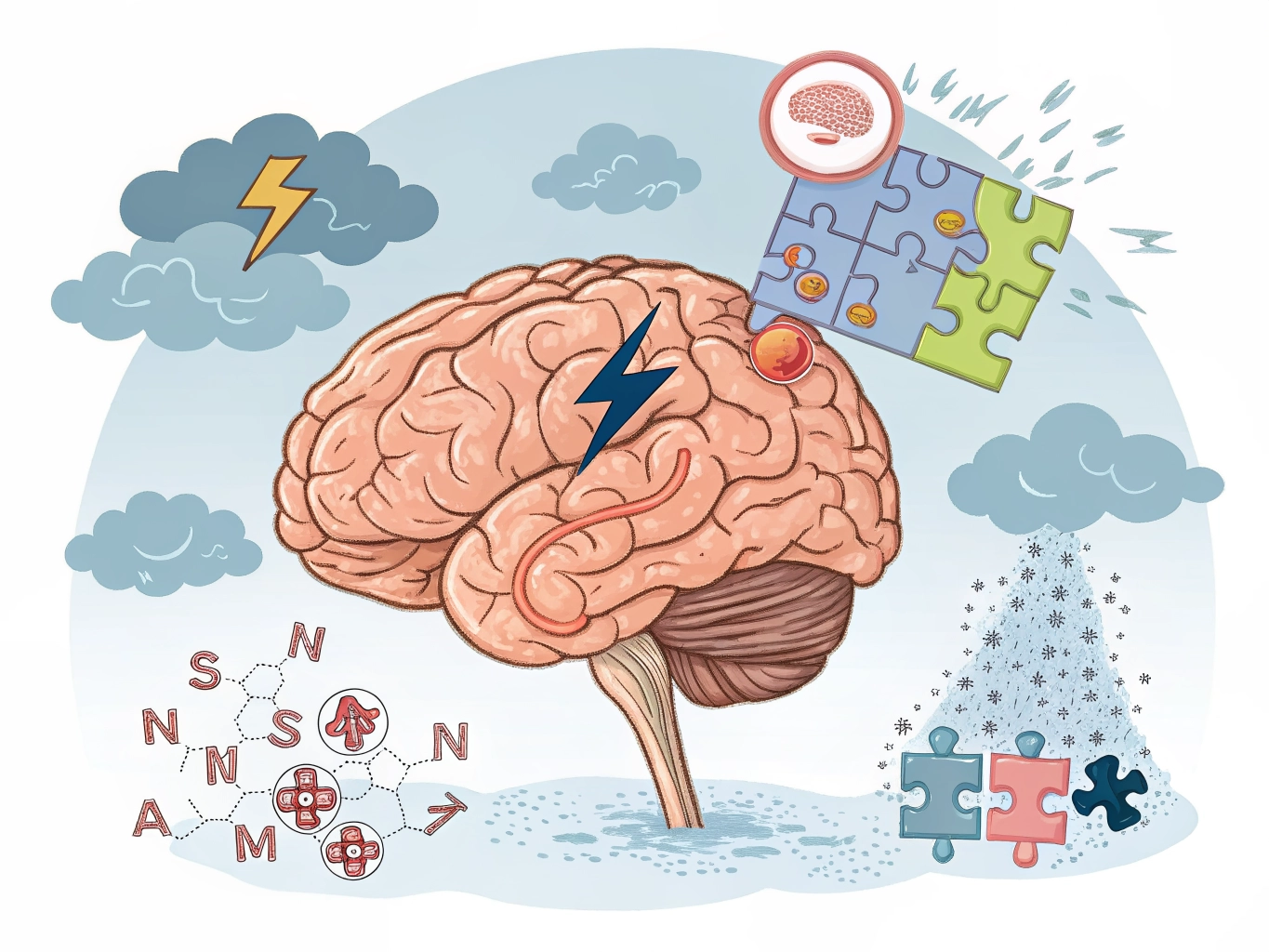
7 Critical Brain Cancer Symptoms You Should Never Ignore
Brain tumors can manifest in diverse ways depending on their exact location, size, and rate of growth. However, medical professionals emphasize that closely monitoring specific brain cancer symptoms is essential for timely evaluation and clinical intervention:
- Persistent Morning Headaches: New or unusual headaches that tend to be more severe early in the day or worsen progressively with coughing, sneezing, or sudden physical movement.
- Progressive Neurological Deficits: Unexplained muscle weakness, localized numbness, difficulty balancing, or sudden changes in speech articulation and coordination.
- Cognitive and Personality Shifts: Memory loss, mental confusion, severe concentration difficulties, or sudden uncharacteristic mood swings and behavioral changes.
- Unprovoked Seizures: Sudden convulsions or neurological seizures occurring in individuals with no prior history of epilepsy or related brain disorders.
- Vision or Hearing Changes: Gradual or sudden blurring of vision, double vision, loss of peripheral vision, or unexplained ringing and hearing loss.
- Chronic Fatigue and Nausea: Persistent exhaustion and unexplained bouts of nausea or vomiting without a clear gastrointestinal or systemic cause.
- Coordination Difficulties: Trouble performing everyday physical tasks due to a sudden loss of fine motor skills or spatial awareness.
Understanding Causes and Modern Treatment Approaches
In the vast majority of cases, the exact root cause of primary brain tumors remains unknown to medical science. Unlike other forms of cancer, lifestyle factors have a less direct correlation, though high-dose ionizing radiation exposure to the head is a well-established risk factor. Genetic predispositions can also play a minor role in certain rare hereditary syndromes.
For individuals monitoring chronic neurological changes or managing underlying health conditions, regular consultations with a specialist are vital. Authoritative health institutions, such as the National Cancer Institute, provide ongoing research updates and guidelines to help patients understand these medical complexities. Modern neuro-oncology combines multiple therapeutic options—including precision surgery, targeted radiation therapy, and specialized chemotherapy—to maximize effectiveness while preserving healthy brain tissue. Emphasizing early detection allows doctors to address brain cancer symptoms before the condition progresses significantly, ensuring a much safer clinical roadmap for every patient.
Frequently Asked Questions (FAQ)
What are the very first signs of brain tumors?
Early signs often include unexplained morning headaches, persistent nausea, mild vision or balance changes, and sudden-onset seizures depending heavily on the tumor’s specific location in the brain.
Can brain cancer be detected early through routine blood tests?
No. Standard blood tests cannot detect brain tumors. Detection requires advanced neuroimaging techniques, such as an MRI or CT scan, ordered by a qualified physician after evaluating clinical warning signs.
Are all brain tumors considered malignant cancer?
No. Brain tumors can be benign (non-cancerous) or malignant (cancerous). However, even benign tumors can cause serious health complications if they grow and press on critical areas of the brain.