Table of Contents:
Legionnaires Disease Outbreak 2026: 7 Critical Facts About the Urban Health Crisis
Public health officials and epidemiologists are currently battling a severe legionnaires disease outbreak centered in major urban areas. As environmental factors shift and urban infrastructure ages, communities are facing an unprecedented health challenge. With the climate rapidly warming, understanding the mechanics of this respiratory threat is more critical than ever. Whether you are a building manager, a healthcare provider, or an everyday citizen, staying informed about the current legionnaires disease outbreak can literally save lives.
The 2026 Legionnaires Disease Outbreak: What Is Happening?
The current cluster of infections is one of the most significant urban health crises in recent years. City officials began tracking this legionnaires disease outbreak in early July after multiple individuals in densely populated neighborhoods were hospitalized with severe pneumonia. The situation escalated quickly, prompting local Health Departments to take aggressive measures. Authorities immediately ordered buildings with positive water tests to clean and disinfect their cooling towers. Earlier in the year, another notable investigation took place at major medical centers in California, linking several cases directly to the facilities’ water systems. This pattern highlights a growing vulnerability in our modern building infrastructures.
What is Legionnaires’ Disease?
According to experts at the Centers for Disease Control and Prevention (CDC), this illness is a severe, potentially fatal form of pneumonia caused by the Legionella bacteria. Unlike standard respiratory viruses such as COVID-19 or the flu, this disease does not spread from person to person. Instead, individuals contract the illness by inhaling tiny droplets of contaminated water vapor or mist. The bacteria generally thrive and multiply within a biofilm layer that forms on the interior surfaces of pipes, hot water tanks, and air conditioning systems. This slimy biofilm protects the microbes from standard chemical treatments, making eradication highly difficult without specialized intervention.
The Source: Cooling Towers and Climate Change
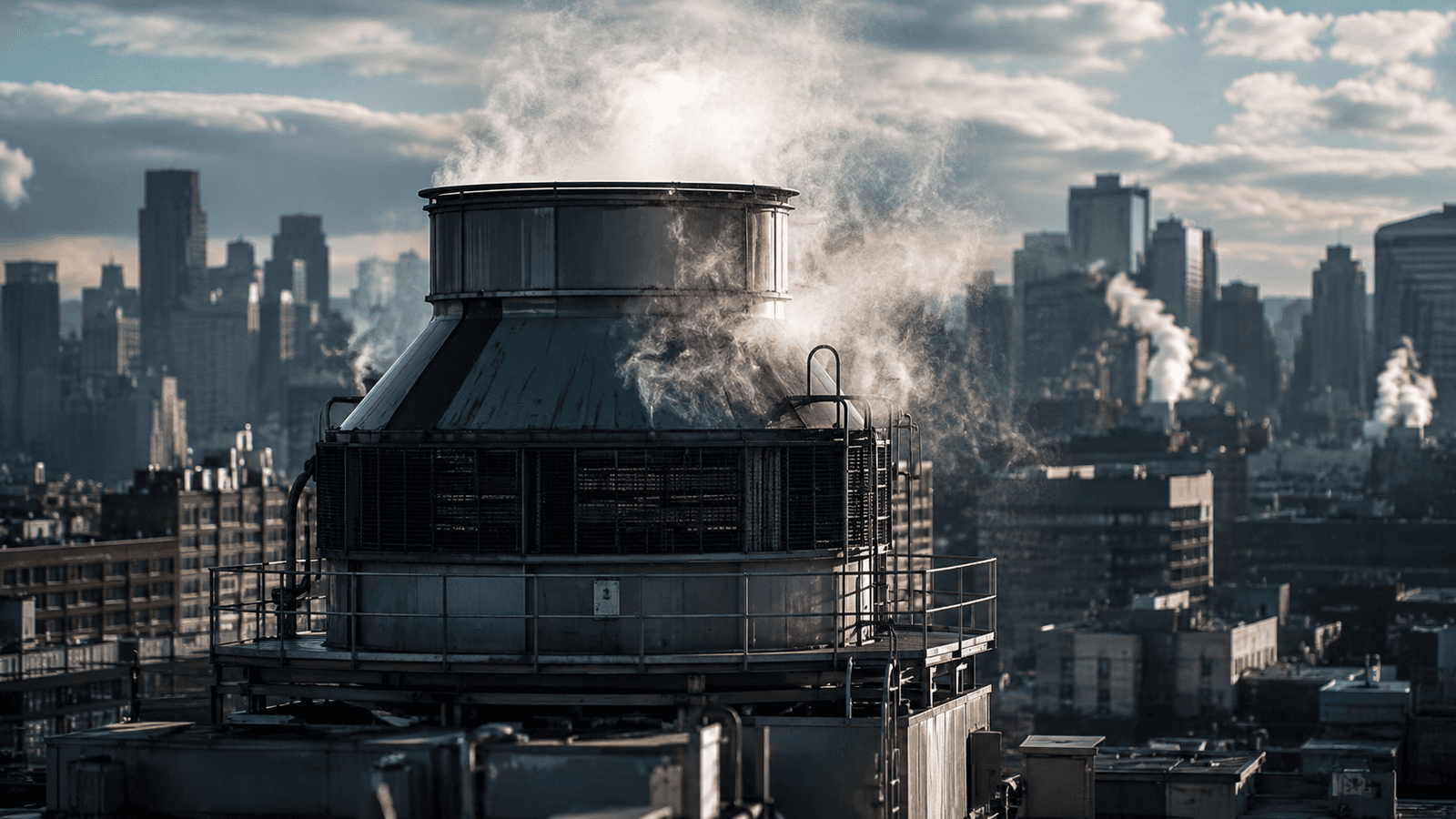
When investigating a legionnaires disease outbreak, environmental health scientists typically look at building cooling towers first. These towers, which are integral parts of large buildings’ HVAC (heating, ventilation, and air conditioning) systems, use water to extract heat. If they are not properly maintained, they become massive aerosolizers of bacteria. Tests have identified Legionella bacteria in cooling towers on numerous commercial and residential buildings during recent outbreaks.
Furthermore, climate change is playing a direct role in worsening public exposure. The bacteria thrive in a specific temperature range—typically between 68 and 122 degrees Fahrenheit (20 to 50 degrees Celsius). As urban centers experience hotter, longer summers, the water in these massive rooftop systems stays in the perfect “danger zone” for bacterial amplification much longer than in previous decades.
Symptoms and Risk Factors
Symptoms typically manifest between two to 14 days after initial exposure to the contaminated mist. For those who become symptomatic during a legionnaires disease outbreak, the early signs often mimic a severe cold or the flu, which can delay proper medical diagnosis. Key symptoms include:
- High fever and debilitating chills.
- A persistent cough, sometimes producing mucus or blood.
- Shortness of breath and chest pain.
- Muscle aches, headaches, and extreme fatigue.
- Gastrointestinal issues, including nausea and diarrhea.
It is important to note that not everyone exposed will get sick. However, individuals over 50 years old, heavy smokers, and people with compromised immune systems or chronic lung conditions (like COPD) are at a significantly higher risk of severe, life-threatening complications.
Diagnosis and Medical Treatment
Speed is of the essence when dealing with this illness. Medical professionals usually diagnose the disease using a specialized urine test that detects specific Legionella antigens, alongside chest X-rays that confirm the presence of pneumonia. Once confirmed, the treatment requires immediate administration of powerful antibiotics. The World Health Organization (WHO) notes that prompt antibiotic therapy is highly effective and significantly reduces the mortality rate. Patients often require hospitalization, intravenous fluids, and supplemental oxygen to support their respiratory systems while the antibiotics fight the infection.
Health Tech Solutions for Preventing a Legionnaires Disease Outbreak
To prevent a future legionnaires disease outbreak, facility managers must move away from variable manual cleaning and adopt standardized, high-tech disinfection protocols. The integration of advanced health tech is transforming building safety. Automated monitoring systems can now continuously track water temperatures, pH levels, and biocide concentrations in real-time, alerting managers before conditions become favorable for bacterial growth.
Additionally, advanced decontamination systems, such as automated hydrogen peroxide fogging units and specialized UV-C water purification filters, are being deployed to destroy biological barriers like biofilms. Maintaining these rigorous environmental controls is essential to preserving public trust, protecting vulnerable populations, and avoiding the mandatory, costly shutdowns that follow an outbreak investigation.
Expert FAQ: Understanding the Legionnaires Disease Outbreak
1. Q: How does a legionnaires disease outbreak start?
A: It typically begins when Legionella bacteria multiply in a poorly maintained man-made water system, such as a cooling tower or hot tub, and the contaminated water is aerosolized and inhaled by people nearby.
2. Q: Can I catch the disease from someone who is infected?
A: No. Unlike the flu or COVID-19, this disease is not contagious. It cannot be transmitted from person to person.
3. Q: Is it safe to drink tap water during an outbreak?
A: Yes, drinking water is generally safe. The disease is contracted by breathing in water droplets (mist or vapor) into the lungs, not by swallowing water into the stomach.
4. Q: How is the illness treated?
A: It is treated with prescription antibiotics. Early diagnosis and treatment dramatically improve the chances of a full recovery.
5. Q: What should building owners do to prevent this?
A: Owners must implement comprehensive water management programs, regularly clean and disinfect cooling towers, and use advanced health tech monitoring to ensure water temperatures remain outside the bacteria’s growth zone.
6. Q: Why are outbreaks becoming more common?
A: Factors include aging urban water infrastructure, improved clinical testing methods that identify the disease more accurately, and climate change, which creates warmer environments conducive to bacterial growth.
Final Verdict on Public Safety
Handling a legionnaires disease outbreak requires a coordinated effort between public health officials, medical professionals, and building engineers. While the disease is severe, it is entirely preventable through diligent infrastructure maintenance and the integration of modern water-monitoring technologies.
Medical Disclaimer: This health alert is provided for informational purposes by AppleVita. If you suspect you have been exposed to Legionella or are experiencing severe respiratory symptoms, please consult a licensed healthcare provider immediately.